
Lining paper is one of the most effective ways to prepare a wall for painting or wallpapering, especially if your walls have minor imperfections, uneven texture, or old repairs that would otherwise show through the final finish. In this guide, we answer the most common questions homeowners have about lining paper — from how long it lasts to whether it can hide wall imperfections, keep a room warmer, or reduce noise.
Not sure if lining paper or a full re-plaster is right for your walls? Get in touch with our team for expert advice, or see our plastering services in Cobham.
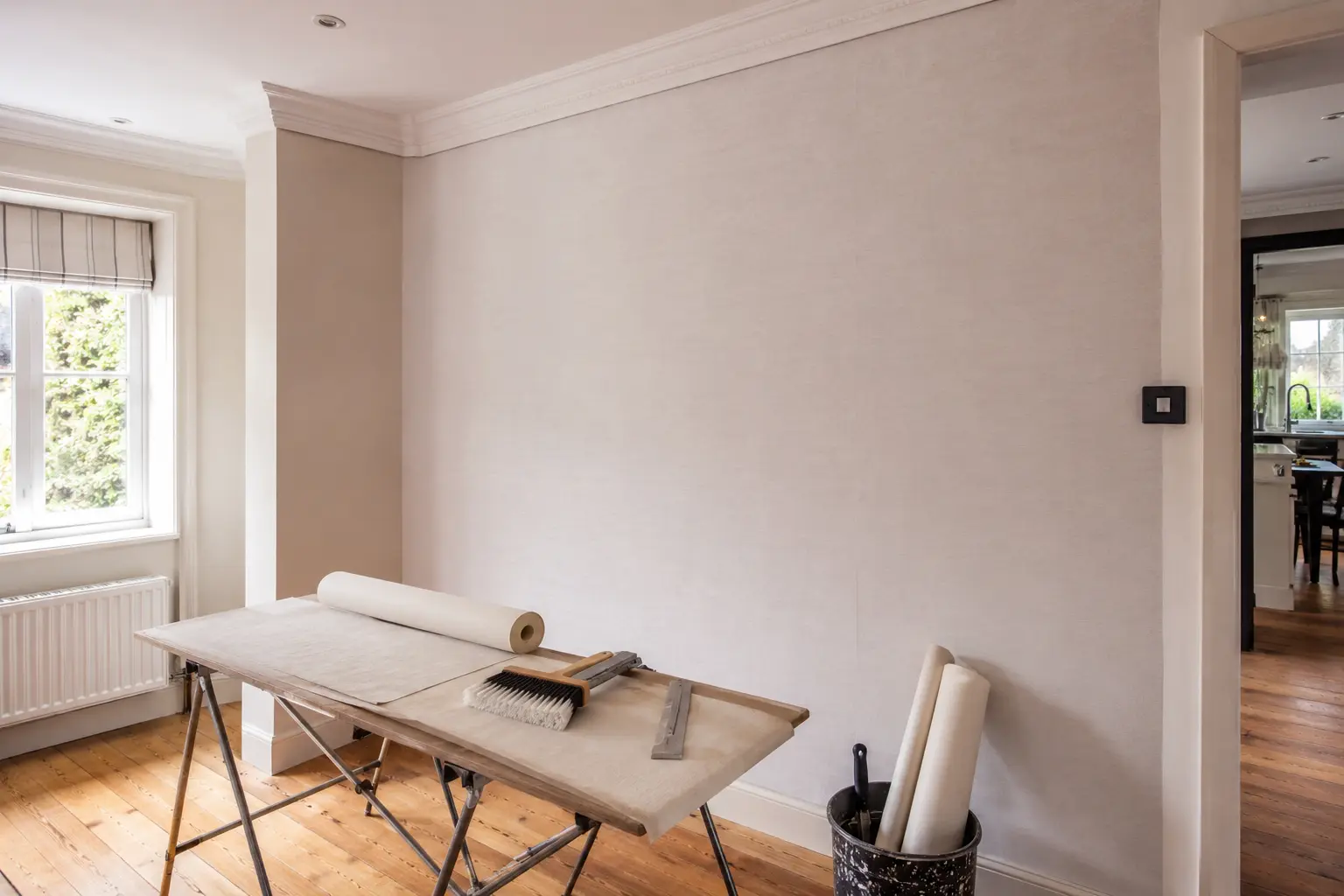
Does Lining Paper Hide Imperfections?
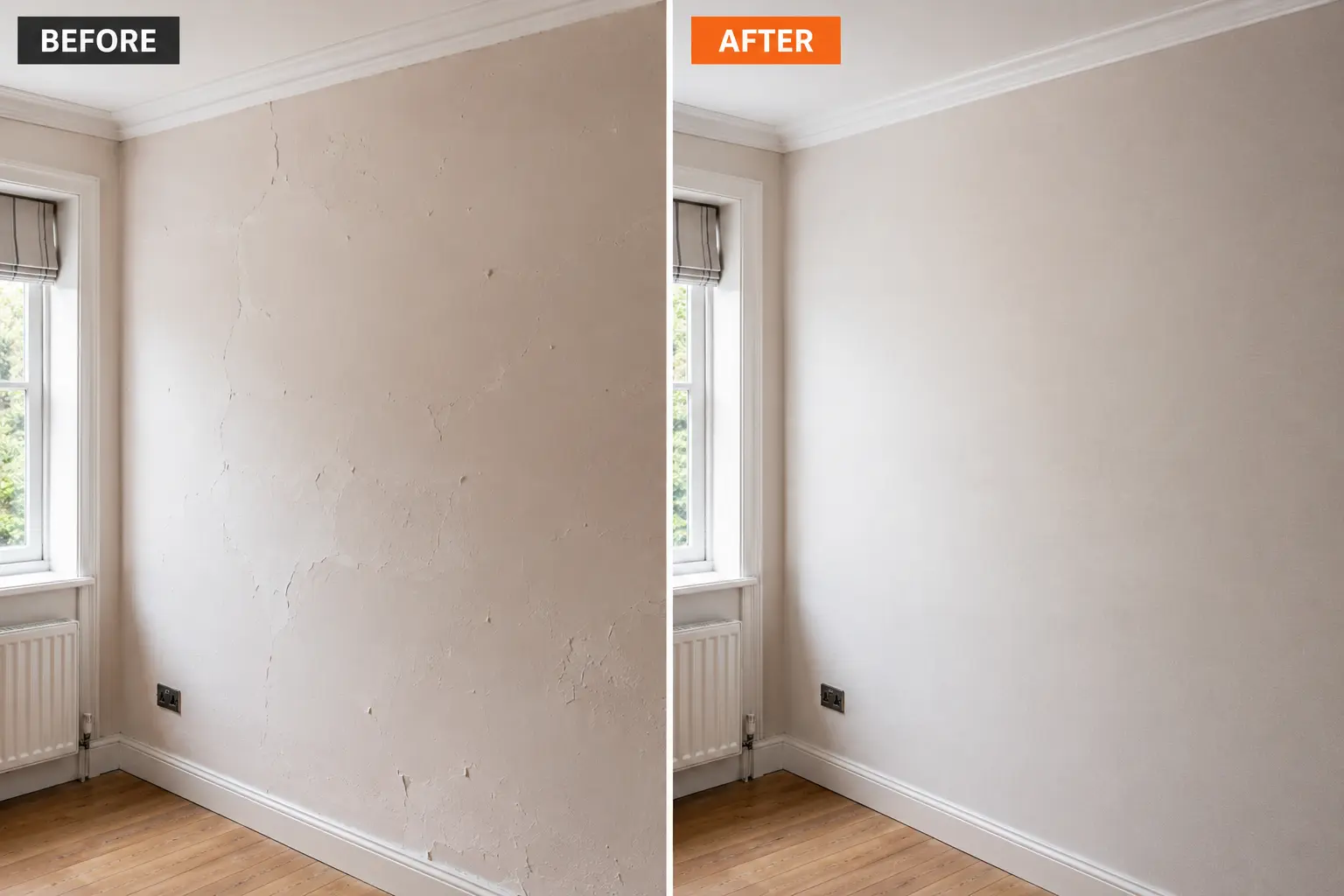
Yes, lining paper is specifically designed to hide minor wall imperfections such as hairline cracks, small dents, patchy filler repairs, and uneven texture. It creates a smooth, consistent surface underneath paint or wallpaper, which prevents these small flaws from showing through the final finish.
However, it’s important to set realistic expectations. Lining paper works well for cosmetic, surface-level imperfections — it is not a substitute for repairing structural cracks, damp patches, or significantly uneven walls. For walls with more serious damage, a plaster skim coat will give a far more durable and reliable result than lining paper alone.
A thicker grade of lining paper (1000-1400 GSM) will hide more noticeable imperfections than a standard, thinner grade, though even the thickest lining paper has its limits.
How Long Does Lining Paper Last?
Properly applied lining paper can last for many years — often a decade or more — provided it’s installed correctly and the wall behind it remains stable. Its lifespan depends on a few key factors:
- Grade/thickness: Thicker lining paper (1200-1400 GSM) tends to be more durable and long-lasting than lighter grades.
- Wall condition: Lining paper applied over a well-prepared, stable wall will last significantly longer than paper applied over a damp or moving surface.
- Finish applied on top: Lining paper that’s painted over generally lasts longer than lining paper used as a base for wallpaper, since paint creates a more stable, sealed surface.
- Environmental conditions: Rooms with high humidity, such as bathrooms and kitchens, can shorten the lifespan of lining paper if it isn’t a moisture-resistant grade.
In most standard living spaces, lining paper applied correctly with a quality adhesive will remain in good condition for well over 10 years.
Benefits of Lining Paper
Lining paper offers several genuine advantages for homeowners preparing to decorate:
- Smooth Surface: Hides imperfections such as dents and small cracks, creating a cleaner base for your final finish.
- Better Adhesion: Helps wallpaper adhere more securely and evenly than applying it directly to an untreated wall.
- Improved Paint Finish: Reduces patchiness in painted walls by providing a consistent, even surface for the paint to sit on.
- Insulation: Certain grades of lining paper provide thermal and soundproofing benefits (covered in detail below).
- Cost-Effective Preparation: Lining paper is significantly cheaper than a full plaster skim, making it a practical option for walls that only need light cosmetic improvement rather than structural repair.
Does Lining Paper Make a Room Warmer? (Insulating Lining Paper)
Yes, certain types of lining paper are specifically designed with thermal properties that help retain heat in a room. Insulating lining paper typically has a slightly thicker, foam-backed, or specially treated construction that reduces heat loss through the wall, making rooms feel noticeably warmer and helping to lower heating costs over time. It’s a popular choice in older properties with solid walls, where standard cavity insulation isn’t an option.
Soundproof Lining Paper
Similarly, soundproof lining paper is designed to reduce noise transmission through walls. It works by adding a dense, acoustic-absorbing layer beneath your paint or wallpaper, which is particularly useful for homes near busy roads, in multi-family residences, or between rooms where noise reduction is a priority. While it won’t fully soundproof a room on its own, it can meaningfully reduce the transmission of everyday household noise.
Types of Lining Paper
Choosing the right type of lining paper depends on your wall condition and what you want to achieve:
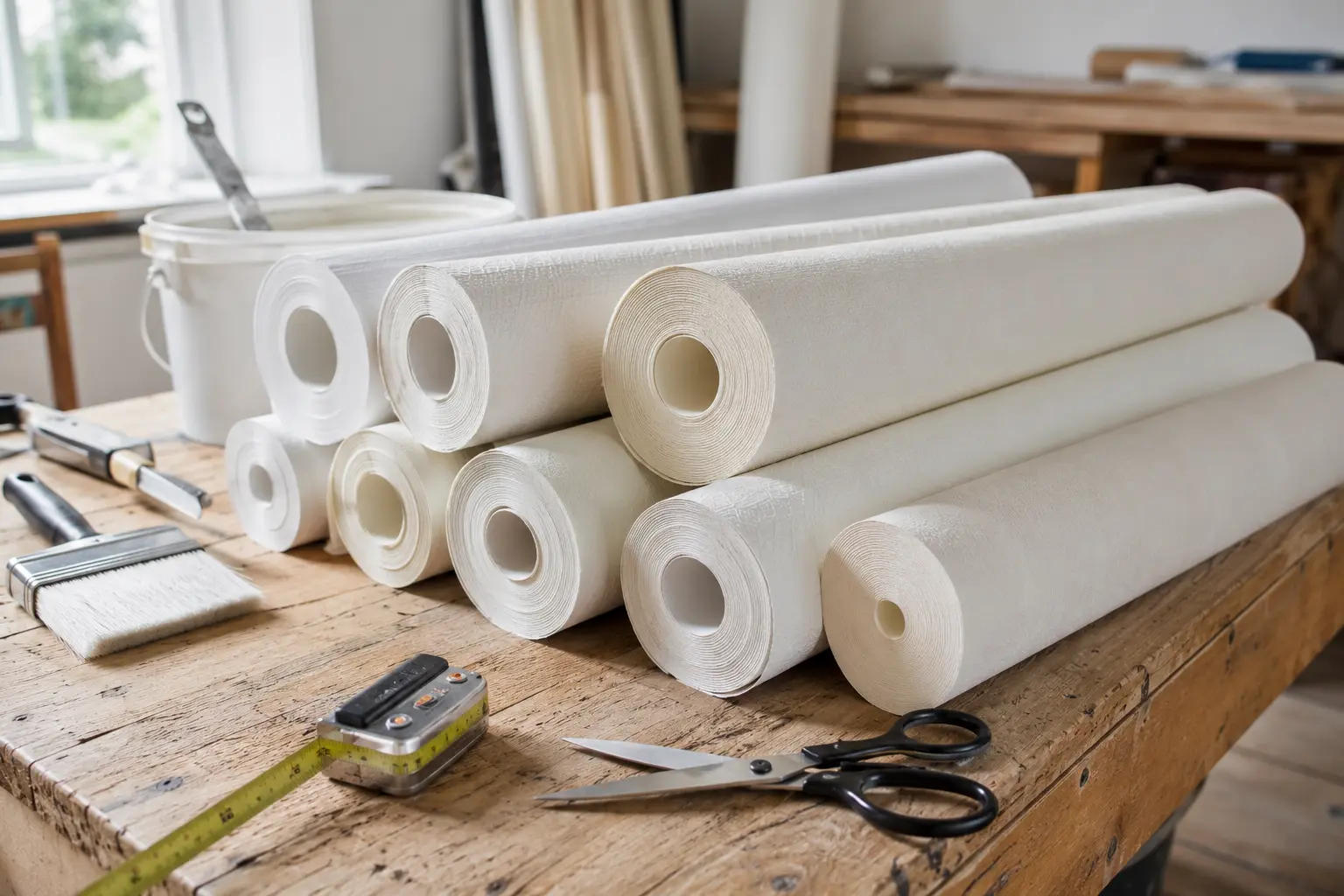
- Standard Lining Paper: The most commonly used type, ideal for covering small imperfections. Available in various grades — typically 800, 1000, and 1400 GSM (grams per square metre) — with higher grades offering thicker coverage.
- Insulating Lining Paper: Provides thermal properties to help retain heat, as covered above.
- Soundproof Lining Paper: Reduces noise transmission, as covered above.
- Damp-Proof Lining Paper: Used in areas prone to moisture, such as basements and kitchens, acting as a barrier to protect walls from dampness and mould.
Lining Paper for Damaged or Uneven Walls
Lining paper can be a cost-effective way to prepare damaged or uneven walls for decoration, but it’s important to understand its limits. For walls with only minor imperfections — small dents, hairline cracks, or slightly uneven texture — a thicker grade of lining paper (1400 GSM or higher) can provide a smooth, presentable finish without the cost of a full re-plaster.
However, if your walls have more significant damage, such as large cracks, crumbling plaster, damp patches, or noticeably uneven surfaces, lining paper will not be enough to disguise the problem long-term, and the underlying issue is likely to show through or worsen over time. In these cases, a proper plaster skim coat is the more reliable long-term solution.
If you’re unsure whether your walls need lining paper or a full re-plaster, our team can assess the property and recommend the right approach — get in touch for advice, or explore our plastering services in Cobham for more serious wall repairs.
Can You Paint Over Lining Paper?
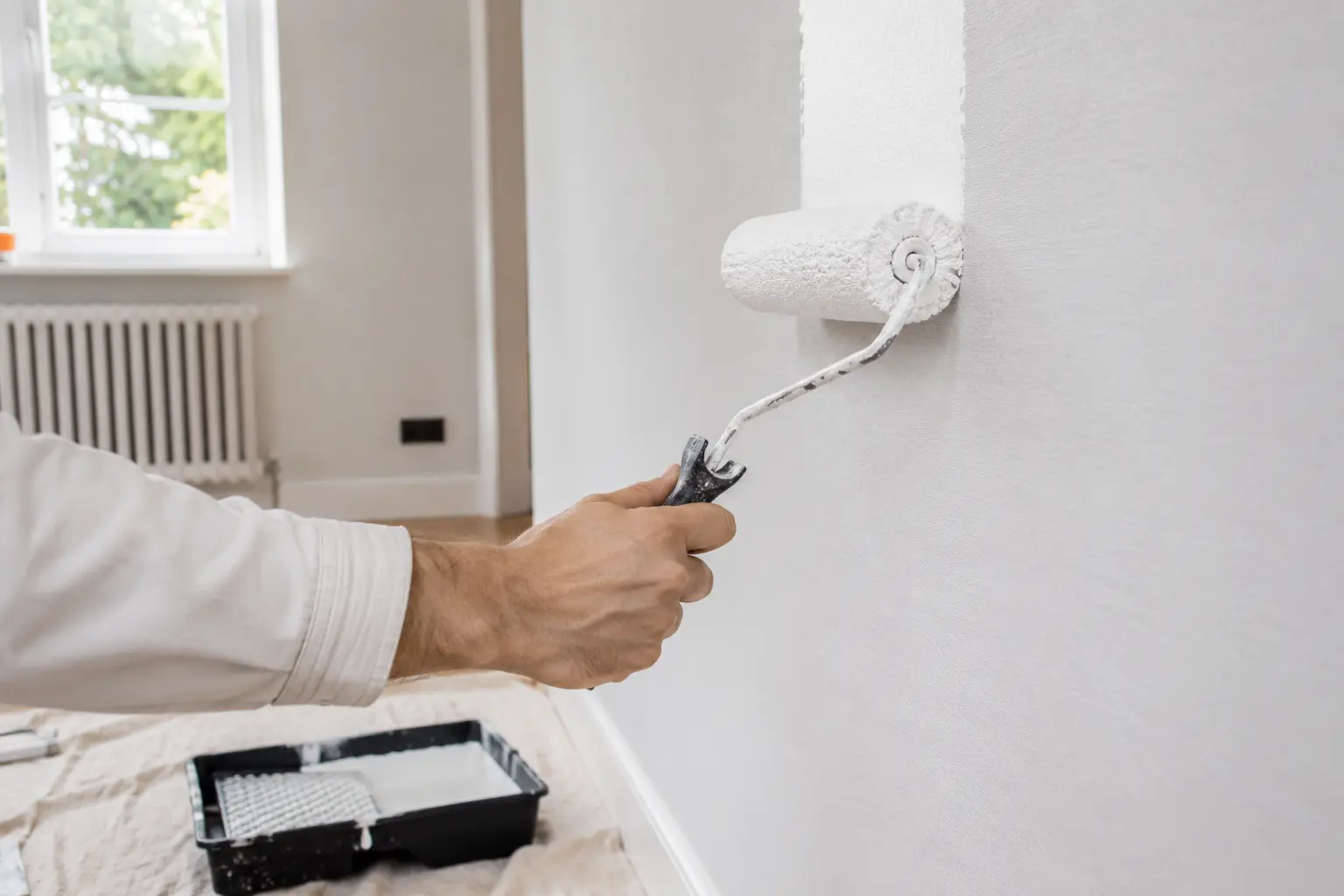
Yes, lining paper is specifically designed to be painted over, and it’s one of the most common reasons homeowners use it. To get the best results:
- Allow the lining paper to dry completely before painting — rushing this step can cause bubbling or peeling.
- Apply a mist coat (diluted emulsion) as your first layer to help the paint key to the paper properly.
- Two full coats of emulsion after the mist coat will typically provide a smooth, even, long-lasting finish.
How to Choose the Right Lining Paper Grade
- 600-800 GSM: Suitable for walls with only minor imperfections.
- 1000-1200 GSM: Best for moderately uneven walls.
- 1400-1700 GSM: Recommended for heavily damaged or cracked surfaces, where a thicker barrier is needed.
Consider the final look you want as well — a smooth lining paper works best if you’re planning to paint, while a lightly textured lining paper can add depth if you’re wallpapering over it.
Applying Lining Paper: The Essentials
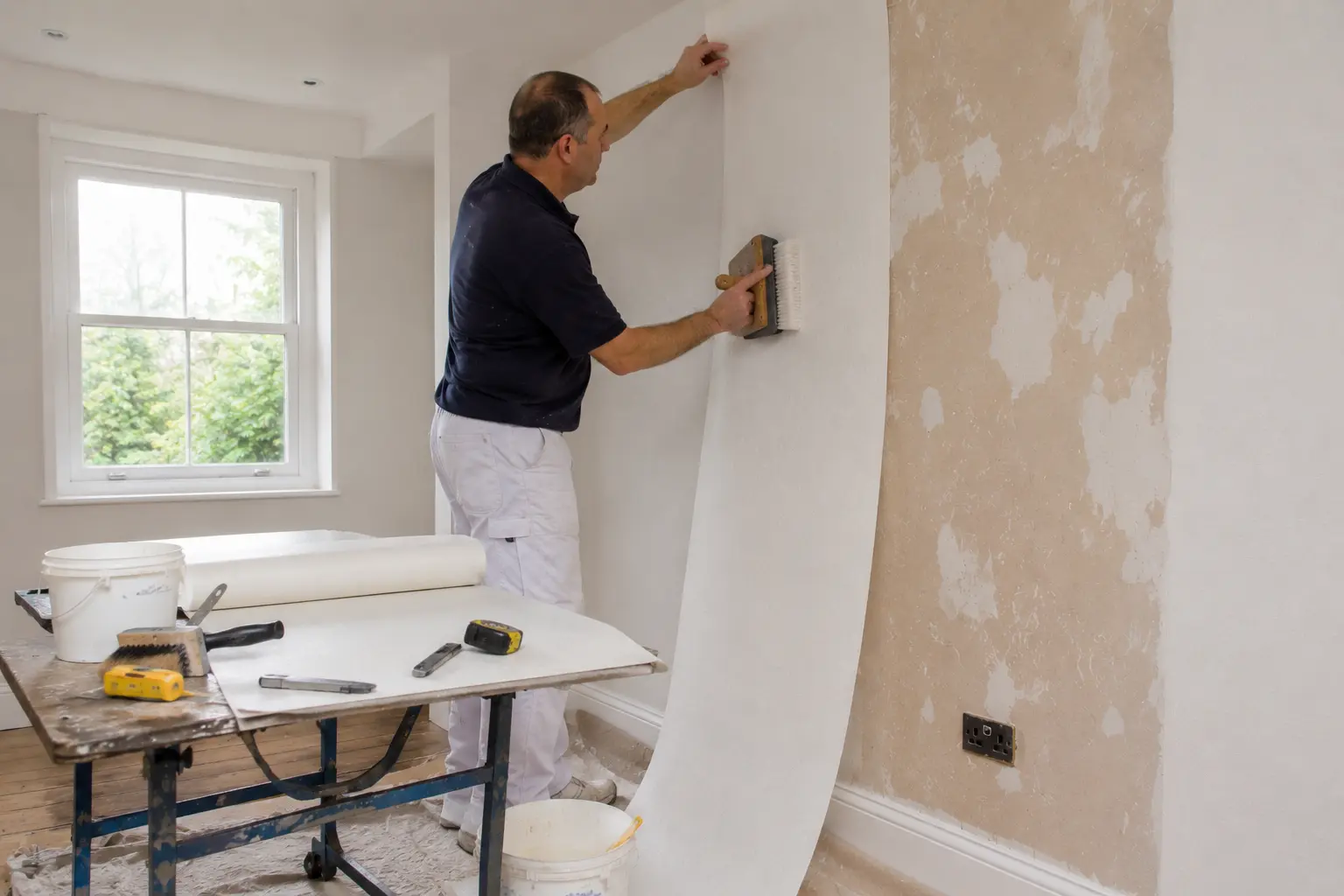
Applying lining paper correctly ensures a smooth, long-lasting finish. The key steps are:
- Prepare the wall — clean, fill any holes or cracks, and remove any old wallpaper first.
- Measure and cut — cut strips a few inches longer than the wall height to allow for trimming.
- Apply adhesive evenly — use a paste designed for lining paper, applied evenly across the full strip.
- Hang horizontally or vertically — horizontal hanging is more common for lining paper, as it helps disguise the seams beneath the final paint or wallpaper layer.
- Smooth and trim — use a smoothing brush to remove air bubbles, then trim the edges neatly for a clean finish.
FAQs About Lining Paper
What is lining paper used for? Lining paper is used to create a smooth, even surface on walls before painting or wallpapering, helping to disguise minor imperfections and improve the final finish.
Can you wallpaper over lining paper? Yes, lining paper is a standard base layer for wallpaper and helps it adhere more securely and evenly than applying wallpaper directly to an untreated wall.
Do I need lining paper before painting? It’s not always essential, but it’s strongly recommended if your walls have any visible imperfections, since lining paper will noticeably improve the smoothness and consistency of your final paint finish.
How many times can you paint over lining paper? Lining paper can typically be painted over multiple times throughout its lifespan, provided each new coat is applied to a clean, dry surface and the paper itself remains intact and well-adhered to the wall.
Conclusion
Lining paper is a genuinely valuable tool for achieving a smooth, professional-looking wall finish — particularly for walls with minor cosmetic imperfections, or where added thermal or acoustic benefits are wanted. That said, it has its limits: for walls with more significant damage, a proper plaster skim coat will always give a longer-lasting result. If you’re weighing up lining paper against other options for your walls, our guide to alternatives to full plastering covers a few other approaches worth considering.
Need advice on the right approach for your walls? Contact Surrey Plastering & Rendering Company today for expert guidance.