
K Rend is a modern, pre-mixed rendering material specifically designed for exterior wall finishes. Renowned for its durability, flexibility, and aesthetic appeal, K Rend has become a popular choice for homeowners, builders, and architects alike. It’s widely used to protect and beautify buildings, offering a seamless finish that resists the elements. We apply K-Rend regularly on properties across Cobham and the wider Surrey area.
Considering K-Rend for your property? Get in touch with our team for expert advice, or explore our K-Rend rendering services in Cobham.
What is K-Rend Made Of?
K-Rend is a cement-free, resin-based render made from a polymer-modified formulation, produced by Kilwaughter Minerals. Unlike traditional sand and cement renders, K-Rend arrives pre-mixed in a ready-to-use paste form, removing the guesswork and inconsistency that can come with mixing render on-site. This organic resin base is what gives K-Rend its flexibility, crack resistance, and long-lasting colour compared to older, mineral-based render systems.
Is K-Rend Breathable?
Yes, K-Rend is a breathable render. Its formulation allows water vapour to pass through the render and escape the wall, rather than becoming trapped behind a sealed surface. This is an important distinction from non-breathable coatings, since trapped moisture is one of the leading causes of damp, mould, and long-term structural problems in walls — particularly on older, solid-wall properties where breathability matters enormously. At the same time, K-Rend’s water-repellent, silicone-enhanced formulations shed rain from the surface, giving it a dual function: keeping bulk water out while still allowing the wall to breathe.
Does K-Rend Insulate Your House?
K-Rend itself, applied as a standard thin-coat or silicone finish, provides only minimal insulation value on its own — its primary role is as a protective, decorative weatherproof coating rather than an insulating layer. However, K-Rend is commonly used as the finishing render on External Wall Insulation (EWI) systems, where insulation boards are fixed to the exterior of a property and then finished with a K-Rend base coat and top coat. In this context, K-Rend plays an important role in a system that can significantly reduce heat loss, lower energy bills, and shrink a home’s carbon footprint. If you’re considering insulation as part of your rendering project, it’s worth discussing EWI-specific systems and any available funding or grants with your installer.
K-Rend Finish Types
K-Rend is available in several distinct finish types, each suited to different aesthetic preferences and property styles:
- Scraped Texture (Thin Coat): The most popular and widely recognised K-Rend finish, offering a textured, contemporary look. It’s a thin-coat system, meaning it’s applied in a single, relatively thin layer over a suitable base coat.
- Silicone Render: A premium, highly weather-resistant and self-cleaning finish that resists dirt and algae pickup better than standard acrylic-based renders.
- K1: A specific K-Rend product within the range, often used as a topcoat finish with strong colour retention.
- Pebble Dash / Wet Dash: A more traditional textured finish, where a wet render coat has small stones or aggregate thrown onto it before it cures.
Types of Rendering: How K-Rend Compares
Understanding how K-Rend fits alongside other rendering options helps clarify why it’s become such a popular choice:
K-Rend vs Traditional Sand and Cement Render: Traditional sand and cement render has been used for hundreds of years and remains a cost-effective option, but it’s more labour-intensive to apply, prone to cracking on older or moving substrates, and requires painting to achieve a coloured finish. K-Rend, by contrast, is through-coloured (the colour runs through the render itself, not just a surface coating), reducing the need for repainting.
K-Rend vs Lime Render: Lime render is prized for its breathability and suitability on historic buildings, but it requires specialist application knowledge and a longer curing time. K-Rend offers comparable breathability in most standard applications with a faster, more consistent application process.
K-Rend vs Monocouche Render: Monocouche (“single coat”) render systems are a comparable category to K-Rend’s thin-coat products — both are through-coloured, machine-applied render systems designed to reduce the number of layers and overall application time compared to traditional multi-coat wet render.
K-Rend vs Other Silicone Render Brands: K-Rend’s silicone render range is directly comparable to other established brands such as Weber and Parex — all are silicone-enhanced, low-maintenance, durable render systems. The right choice often comes down to your approved applicator’s experience with a specific brand’s system, colour range, and product warranty, rather than dramatic performance differences between comparable-quality systems.

How is K-Rend Applied?
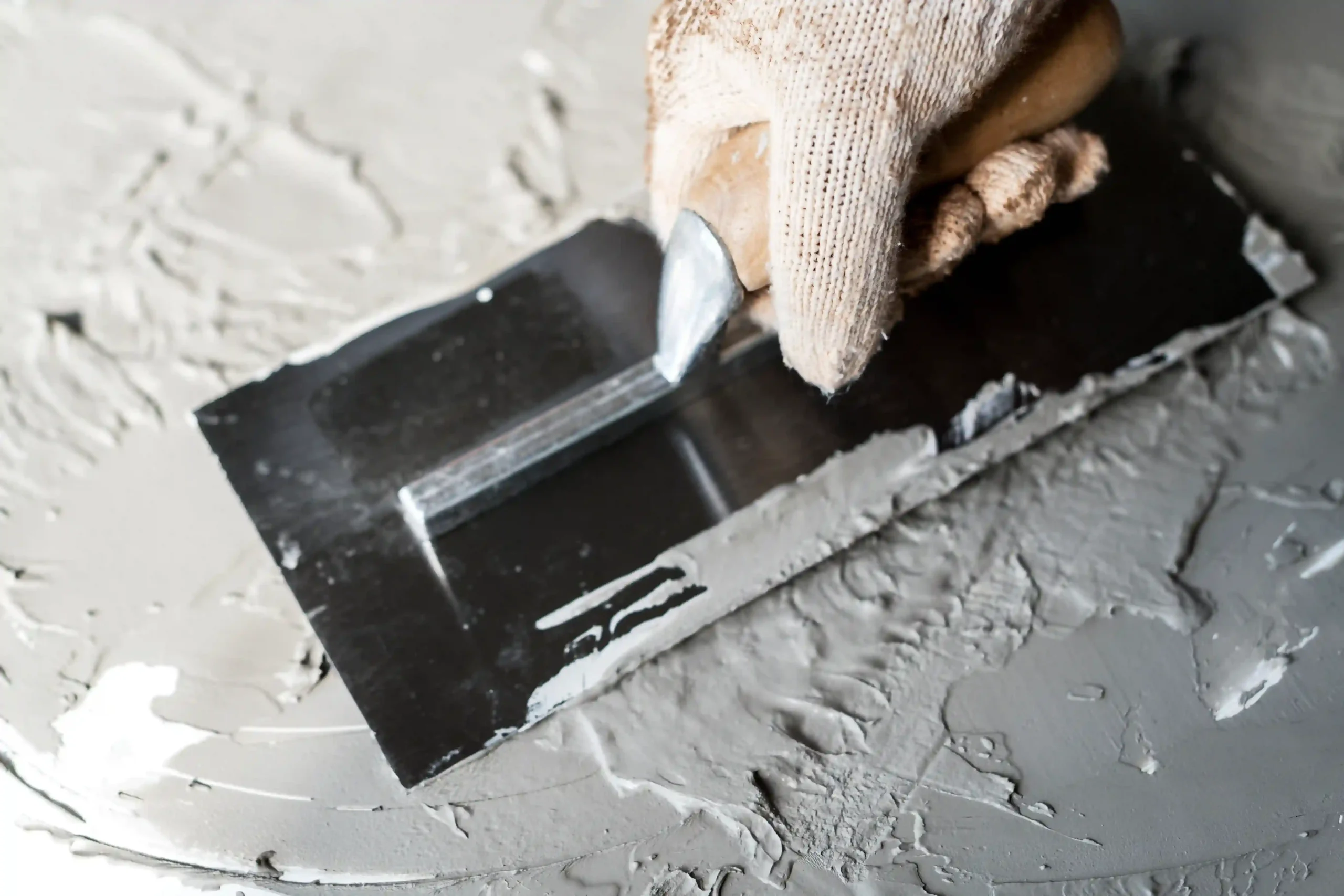
K-Rend can be applied either by hand or by machine, though machine application is increasingly common on larger projects, as it allows for a more consistent finish and faster coverage. A typical K-Rend system involves:
- Substrate preparation — ensuring the wall (brick, block, or insulation board) is clean, sound, and suitable for rendering.
- Base coat application — a reinforcing base coat, often incorporating a mesh, is applied to provide strength and help accommodate minor substrate movement.
- Beads and detailing — corner beads, stop beads, and movement joints are fitted at this stage to control cracking and provide clean, professional edges.
- Top coat / finish coat — the decorative K-Rend finish (scraped texture, silicone, K1, etc.) is applied over the fully cured base coat.
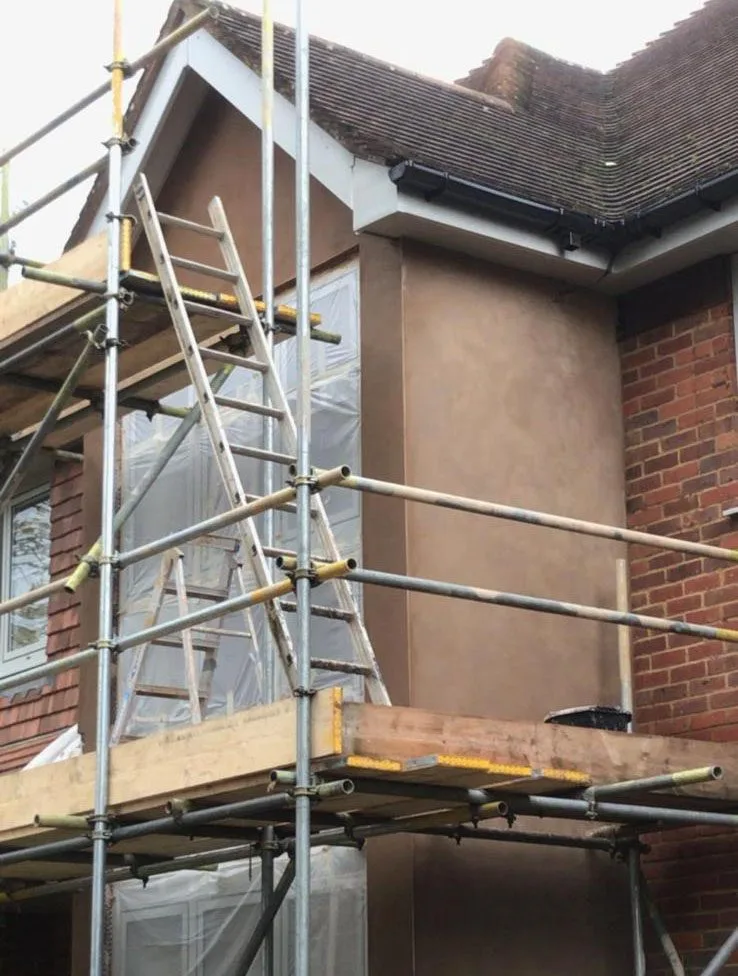
Using an approved, certified K-Rend applicator matters — proper preparation, correct base coat curing time, and consistent application technique are the biggest factors separating a long-lasting finish from one prone to cracking or patchiness.
Common K-Rend Problems and Their Causes
While K-Rend is a durable, low-maintenance render system, problems can occur — almost always linked to preparation or application rather than the product itself:
- Cracking: Usually caused by substrate movement that hasn’t been properly accommodated with beads and movement joints, or a poorly applied base coat that hasn’t bonded correctly with the mesh.
- Colour Patchiness or Variation: Often the result of inconsistent suction across the wall, or the base coat drying unevenly before the top coat was applied — proper curing time and site conditions matter significantly here.
- Efflorescence (White Salt Deposits): Caused by moisture moving through the wall and depositing salts on the surface as it evaporates — usually a sign of an underlying moisture source that needs addressing, rather than a fault with the render itself.
- Debonding or Hollow-Sounding Render: Can indicate the base coat wasn’t properly keyed to the substrate, or moisture has become trapped beneath the render over time.
Most of these issues are preventable with correct preparation and an experienced, approved applicator — and most are far easier (and cheaper) to prevent than to repair after the fact.
How to Stop K-Rend Turning Green
K-Rend can develop green algae staining over time, particularly on shaded or north-facing elevations. This is a common issue across all render systems, not unique to K-Rend, and is generally caused by moisture sitting on the surface in poorly ventilated or shaded areas. We’ve covered prevention and cleaning in full detail in our guide: Can You Paint K-Rend? Long-Lasting Finish, which also covers repainting and touch-up maintenance.
K-Rend Cost Considerations
The cost of a K-Rend project is typically calculated per square metre and depends on several factors:
- System type — thin-coat silicone or scraped texture render is generally more cost-effective than a full monocouche or insulated EWI system.
- Substrate condition and access — a straightforward, accessible wall on a standard semi-detached property will cost less than a project requiring extensive scaffolding or substrate repair first.
- Preparation required — removing failed existing render, repairing cracks, or preparing a previously painted surface all add to the overall cost.
- Insulation (EWI) — if K-Rend is being applied as part of an External Wall Insulation system, this significantly increases both material and labour costs compared to a standard render-only application.
As a general guide, K-Rend typically costs £50–£90 per m² installed in the UK, depending on the system and finish chosen. For a typical three-bed semi-detached property (roughly 80–100m² of wall area), this usually works out at £4,000–£9,000 including materials and labour. These are indicative UK figures rather than a fixed quote — the accurate cost for your property depends on substrate condition, access and the specific system chosen, which we assess during a free site visit.
For an accurate cost specific to your property, it’s always best to get a quote from an approved applicator who can assess the substrate condition and access requirements in person.
Benefits of K-Rend
K-Rend offers many advantages over traditional renders:
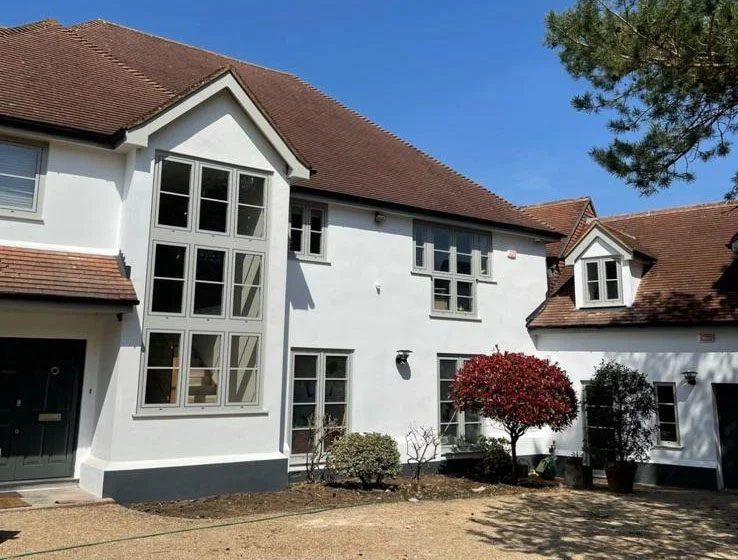
- Durable and Low-Maintenance: A well-applied K-Rend finish can last 3-5 years or more before any repainting or touch-up is needed, and significantly longer before a full re-render is required.
- Wide Range of Colours and Finishes: With a broad colour range and multiple texture options, K-Rend suits both modern and traditional property styles.
- Weather-Resistant and Breathable: Protects against harsh weather while still allowing the wall to breathe, reducing the risk of trapped moisture.
- Through-Coloured Finish: Since the colour runs through the render rather than sitting as a surface coating, minor scratches and wear are far less visible than on painted render.
FAQs About K-Rend
What is K-Rend made of? K-Rend is a cement-free, resin-based, polymer-modified render that arrives pre-mixed as a ready-to-use paste, produced by Kilwaughter Minerals.
Is K-Rend breathable? Yes, K-Rend allows water vapour to escape through the wall while its water-repellent surface sheds rain, helping to prevent trapped moisture and damp.
Does K-Rend insulate your house? K-Rend itself provides minimal insulation on its own, but it’s commonly used as the finishing render on External Wall Insulation (EWI) systems, which can significantly improve a home’s thermal performance.
How long does K-Rend last? A properly applied K-Rend finish typically lasts 3-5 years before requiring a repaint or touch-up, with the underlying render itself lasting considerably longer when well maintained.
Is K-Rend better than traditional render? K-Rend offers advantages in colour consistency, application speed, and flexibility compared to traditional sand and cement render, though traditional render remains a cost-effective option for some projects. The right choice depends on your property, budget, and desired finish.
How much does K-Rend cost? K-Rend typically costs £50–£90 per m² installed in the UK, or roughly £4,000–£9,000 for a typical three-bed semi-detached property, depending on the system and preparation required.
Conclusion
K-Rend is a modern, versatile rendering system that offers durability, breathability, and a wide range of finishes suited to both contemporary and traditional properties. Understanding how it’s made, applied, and maintained helps ensure you get a long-lasting result — and choosing an approved, experienced applicator makes the biggest difference between a render that performs well for years and one that develops early problems. We’re based in Cobham and apply K-Rend on properties across Surrey — get in touch if you’d like an honest assessment of what’s right for yours.
If you’re specifically wondering about painting or maintaining existing K-Rend, see our guide: Can You Paint K-Rend? Long-Lasting Finish.
Ready to discuss your K-Rend project? Contact Surrey Plastering & Rendering Company today for expert advice and a free quote.