
Three weeks after finishing a beautiful kitchen renovation in Woking, my client called in panic. The freshly painted walls were cracking, peeling, and showing patches of dark moisture. She’d paid £340 for premium paint and spent two weekends carefully applying it. The problem? She painted just five days after plastering. The entire job required stripping back and repainting—total additional cost: £580 plus two more weeks of disruption.
I’ve witnessed this scenario dozens of times across Surrey over fifteen years. Painting new plaster seems straightforward until it goes catastrophically wrong. The mistakes cost homeowners £300-800 in wasted materials, labor, and remediation work. Most failures stem from three critical errors: painting too soon, skipping the mist coat, or using wrong products.
You’re about to discover exactly how to paint new plaster correctly, the precise timing that prevents expensive failures, why the mist coat is non-negotiable, and which specific products actually work versus marketing hype. I’ll share the costly mistakes I’ve seen repeatedly, the mist coat ratios that different manufacturers recommend, and the exact step-by-step process that ensures your painted walls last decades rather than weeks.
Not sure if your plaster is ready to paint? Get in touch with our team for expert advice, or explore our plastering services in Cobham.
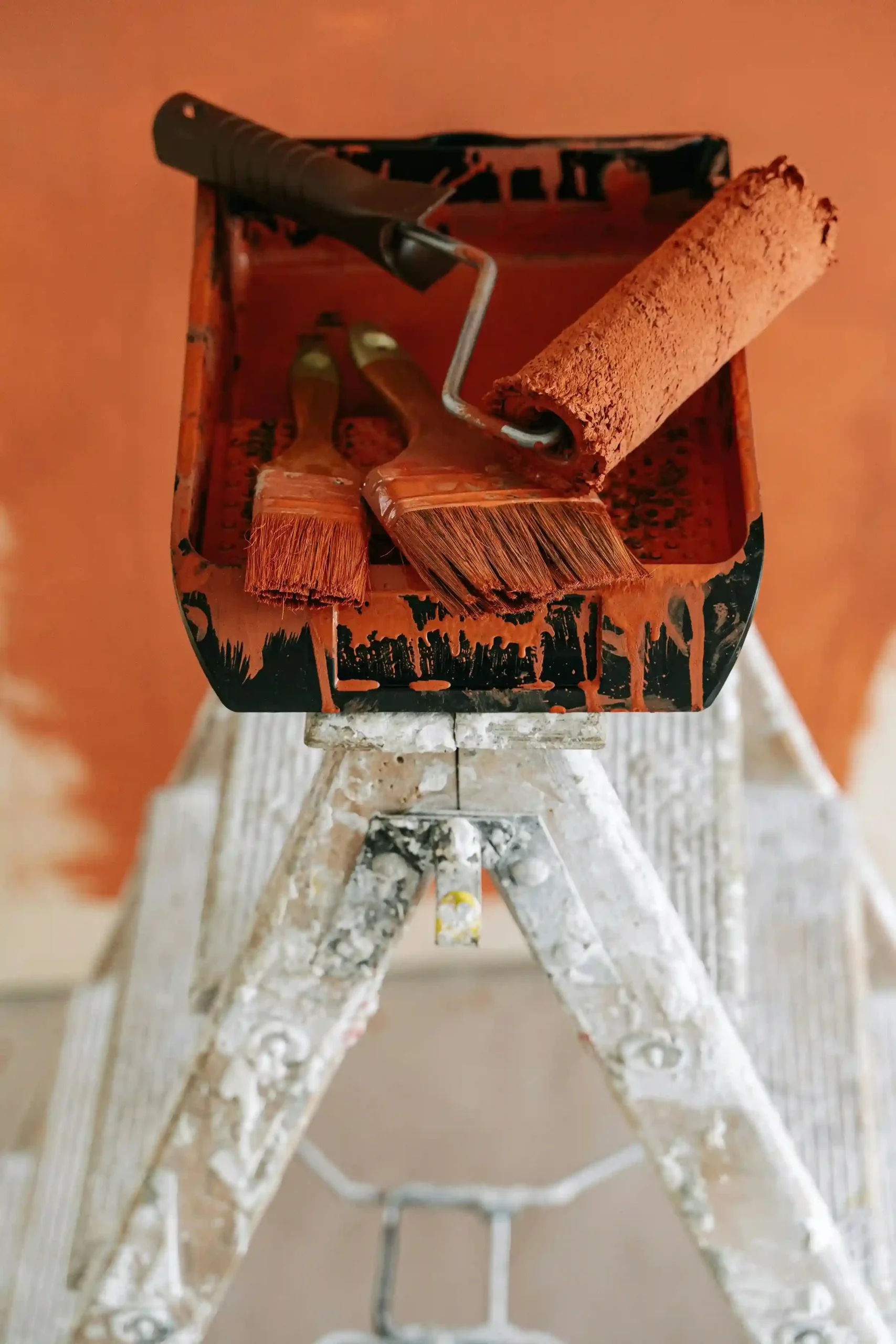
Understanding New Plaster: Why It’s Different From Normal Walls
The Porous Nature of Fresh Plaster
New plaster presents unique challenges that standard painted walls don’t. The material is highly porous and permeable, containing substantial moisture from the mixing and application process. This porosity means the plaster actively pulls moisture from anything applied to its surface—including paint. Apply standard emulsion directly and the plaster sucks it in so aggressively that proper adhesion becomes impossible.
The chemistry involves calcium sulfate hemihydrate (plaster of Paris) that has rehydrated during application. This creates a crystalline structure full of microscopic voids and channels. These voids need careful sealing to create a stable painting surface. Skip this sealing process and you’re painting onto essentially absorbent paper—the paint disappears into the substrate rather than forming a protective film on top.
What shocked me during my initial plastering training: new plaster walls can absorb 3-5 times more paint than properly sealed surfaces. A room requiring two coats over sealed walls might need five or six coats if you skip the mist coat preparation. The mathematics favor proper preparation overwhelmingly—spending £15 on mist coat materials saves £100-150 in wasted topcoat paint.
How Moisture Content Affects Paint Adhesion
Moisture content determines success or catastrophic failure when painting new plaster. Fresh plaster contains enormous amounts of water—sometimes 40-50% of its weight. This moisture must escape before paint can properly adhere. Apply paint over damp plaster and you trap moisture that needs to evaporate. The trapped moisture creates pressure that pushes paint away from the surface, causing the peeling, cracking, and blistering that ruins paint jobs.
The evaporation process follows predictable patterns affected by temperature, humidity, and ventilation. A well-ventilated room at 20°C might dry plaster completely in 2-3 weeks. The same room poorly ventilated during winter might require 5-6 weeks. I’ve tested moisture levels in hundreds of plastered walls using protimeters—the readings vary dramatically based on these environmental factors.
Here’s the controversial opinion most decorators won’t admit: the standard “wait one week” advice that circulates online is dangerously inadequate for most UK homes. I’ve investigated dozens of paint failures where homeowners followed this timeline. The plaster appeared dry superficially but retained 25-30% moisture content internally. Proper drying requires minimum three weeks in optimal conditions, four weeks in typical conditions, and up to six weeks in challenging environments like north-facing rooms during winter.
How Long to Wait Before Painting New Plaster
The Four-Week Minimum Rule
British plastering standards specify minimum four weeks drying time before painting newly plastered walls. This timeline applies to standard gypsum-based finishing plaster in average UK conditions—moderate temperature (18-22°C), reasonable humidity (40-60%), and adequate ventilation. These conditions represent the best-case scenario. Real-world conditions frequently demand longer waiting periods.
The four-week timeline allows complete moisture evaporation from the plaster’s crystalline structure. Week one sees rapid surface drying as exposed moisture evaporates quickly. Weeks two and three involve deeper moisture migrating to the surface and evaporating gradually. Week four ensures the final deep moisture reaches the surface and escapes. Cutting this process short by even a few days can leave sufficient moisture to cause adhesion problems.
A professional plastering project in Guildford demonstrated this principle perfectly. We plastered a three-bedroom house in March. The client wanted to decorate immediately for an April family gathering. We strongly advised waiting the full four weeks. They hired decorators who started after three weeks. By May, visible paint defects appeared on north-facing walls where moisture content remained elevated. The affected rooms required complete repainting at £680 additional cost—more than they would have spent renting temporary accommodation during proper drying.
Visual Indicators of Dry Plaster
Plaster undergoes dramatic color changes during drying that provide reliable visual indicators. Freshly applied finishing plaster appears dark pink or brown when wet. This dark coloration comes from moisture saturating the material. As drying progresses, the color lightens gradually to pale pink, then finally to almost white or very light cream.
The key indicator: uniform coloration across entire plastered surfaces. Dark patches indicate remaining moisture in those areas. Even small dark spots measuring just 100-200mm suggest the plaster beneath retains significant moisture. I’ve watched homeowners convince themselves that “mostly dry” walls are ready for painting. Those dark patches always cause problems—the paint over damp areas fails while paint over fully dry sections adheres properly, creating patchy, uneven results.
Touch testing supplements visual inspection but provides less reliable information. Dry plaster feels cool and powdery to touch. Damp plaster feels slightly cool and smooth. The problem: the surface can feel dry while deeper layers retain moisture. I’ve encountered walls that felt completely dry superficially but showed 22-28% moisture readings on protimeter testing—far too high for painting.
Temperature provides another clue. Run your hand across the plastered wall surface. Genuinely dry areas feel ambient temperature. Damp areas feel noticeably cooler as evaporating moisture creates cooling effects. This temperature difference becomes obvious once you know to check for it.
Factors That Affect Drying Time
Room temperature dramatically affects plaster drying speed. Every 5°C temperature increase roughly halves drying time. A room at 15°C might require six weeks for complete drying. The same room at 25°C could dry in three weeks. This explains why summer plastering projects dry faster than winter work—the higher ambient temperatures accelerate moisture evaporation substantially.
Humidity works inversely—higher humidity slows drying. The atmosphere’s moisture-holding capacity determines how quickly water evaporates from plaster. Air at 80% humidity already holds significant moisture, limiting its ability to accept more from plaster. Air at 40% humidity readily accepts moisture, speeding evaporation. UK homes typically experience 50-70% indoor humidity, though this varies by season, weather, and household activities.
Ventilation proves critical and often overlooked. Stagnant air near plaster surfaces becomes saturated with moisture, preventing further evaporation. Moving air—from open windows, fans, or dehumidifiers—replaces saturated air with fresh air capable of accepting more moisture. A Woking project in 2023 demonstrated this dramatically. Two identical rooms plastered the same day dried at different rates. The room with windows opened daily dried completely in four weeks. The closed room took seven weeks.
Plaster thickness affects drying times in obvious ways. Standard 10-12mm finishing plaster follows the four-week guideline. Thicker applications—15-20mm in areas requiring more build-up—need proportionally longer drying. I’ve encountered 25mm thick plaster patches that required eight weeks complete drying despite the surrounding standard-thickness areas drying in four weeks.
The substrate beneath plaster influences drying speed. Plaster over brick walls dries slower than plaster over plasterboard because moisture can migrate into porous brick, effectively increasing the total moisture requiring evaporation. Plaster over sealed surfaces like concrete has nowhere for moisture to go except through the face, potentially slowing surface drying while moisture accumulates.
The Plastic Sheet Test for Dryness
The plastic sheet test provides definitive evidence of remaining moisture when visual inspection leaves doubt. Tape a piece of plastic sheet or cling film approximately 300x300mm to the plastered wall using decorator’s tape around all four edges to create an airtight seal. Leave undisturbed for 24 hours. Remove carefully and inspect the plastic for condensation droplets on the wall-facing surface.
Any condensation indicates moisture still evaporating from the plaster. The wall isn’t ready for painting. No condensation suggests drying is complete, though I recommend testing multiple locations around the room—drying occurs unevenly, and one dry test location doesn’t guarantee the entire wall is dry. Perform tests on north-facing walls, behind furniture, and in corners where ventilation is poorest.
Professional moisture meters provide more precise measurements but require investment and training. Protimeters measure moisture content percentage directly. Readings below 15% indicate adequately dry plaster ready for painting. Readings above 18% suggest waiting longer. Readings above 25% mean substantial moisture remains requiring weeks more drying.
The Mist Coat: Your Critical First Paint Layer
What Is a Mist Coat and Why It’s Essential
A mist coat is watered-down emulsion paint that acts as a primer/sealer for new plaster. The dilution reduces paint viscosity, allowing it to penetrate the plaster’s porous surface partially while still forming a thin film. This penetration creates mechanical bonding as the paint enters the pores then hardens, locking itself into the plaster structure. The thin film seals the surface sufficiently to accept subsequent coats without excessive absorption.
The mist coat solves the fundamental problem of painting highly porous new plaster. Standard emulsion applied directly gets absorbed so rapidly it can’t form a continuous film. The paint disappears into the substrate leaving patchy, uneven coverage. Multiple coats still show through to bare plaster in places. The mist coat’s higher water content means it flows into pores easily while the reduced pigment and binder content allows some absorption without complete disappearance.
Here’s what nobody tells you about mist coats: they look terrible during application. The very runny consistency creates drips and runs. The thin coverage shows plaster through clearly. Many homeowners panic thinking they’ve done something wrong. This appearance is completely normal. The mist coat isn’t meant to provide coverage—it’s meant to seal the surface for subsequent coats that will provide actual coverage and color.
Skipping the mist coat represents the single most expensive shortcut in painting new plaster. I’ve remediated dozens of failures where homeowners applied standard emulsion directly. The initial coat looks patchy. The second coat still shows through. By the fourth or fifth coat, they’ve used three times the paint that proper mist coat preparation would have required, and the finish still looks inconsistent. One Guildford client spent £280 on premium paint across five coats trying to achieve coverage without a mist coat. After stripping back and starting properly with mist coat, two topcoats provided perfect coverage using £90 of paint.
Mist Coat Mixing Ratios: What Different Manufacturers Recommend
Paint manufacturers provide varying mist coat ratio recommendations, creating understandable confusion. Dulux suggests 10:1 ratio (ten parts paint to one part water). Crown recommends 6:4 (six parts paint to four parts water). Valspar specifies 3:1 (three parts emulsion to one part water). B&Q’s guidance suggests 2:1. Harris paints recommend 70:30 mix (70% paint, 30% water).
This variation exists because “emulsion paint” isn’t a single standardized product. Different formulations have different viscosities, binder contents, and flow characteristics. Higher-quality paints with more binder might need less dilution. Budget paints with higher water content already might need less additional water. The manufacturer knows their specific product’s characteristics and provides ratios accordingly.
My practical recommendation after testing dozens of products: start with 4:1 ratio (four parts paint to one part water) regardless of manufacturer. This provides thin enough consistency for proper penetration while retaining sufficient binder to form a sealing film. If the mixture seems too thick—it should be noticeably runny, similar to single cream consistency—add more water gradually until you achieve that consistency. If it becomes too thin and runs excessively, add small amounts of undiluted paint until it’s manageable.
The most important rule: always check your specific paint’s instructions. Manufacturers sometimes formulate products specifically for new plaster that require different ratios or no dilution at all. Dulux Sealer for Plaster and similar products are designed to seal new plaster without dilution. Using these products according to manufacturer specifications will always prove more reliable than generic advice.
Professional painters develop intuition for correct mist coat consistency through experience. The mixture should drip steadily from a brush rather than clinging in thick globs. When applied, it should flow easily but not run down the wall uncontrollably. Getting this consistency right prevents both insufficient penetration (too thick) and excessive dripping (too thin). A Woking decorator I work with describes it as “somewhere between milk and single cream”—thinner than paint should be, thicker than water.
Step-by-Step Mist Coat Application
Preparation determines mist coat success more than application technique. Protect all surfaces you don’t want painted using dust sheets on floors and painter’s tape on switches, sockets, skirting boards, and door frames. The runny mist coat splatters more than standard paint and drips readily. I’ve seen enthusiastic DIYers create spectacular messes through inadequate protection—drips on flooring, splashes on windows, runs on woodwork. Thirty minutes additional preparation time prevents hours of cleanup and potential damage.
Wear protective clothing including old clothes, gloves, and safety glasses. The thin mist coat splashes during roller application and drips unpredictably. Your clothing will get paint on it regardless of care. Some decorators wear full painter’s suits for mist coat work specifically because of the splatter potential. Don’t skip eye protection—I’ve witnessed multiple instances where upward roller strokes flung diluted paint into people’s eyes.
Mix the mist coat thoroughly in a clean paint kettle or bucket. Pour your chosen amount of emulsion, then add water while stirring constantly. The mixture should be uniform without streaks of concentrated paint remaining. Test consistency by letting it drip from your stirring stick—it should run off smoothly in a steady stream rather than clinging or dripping in thick blobs.
Cut in edges and corners first using a 50mm angled brush. Load the brush moderately—the thin consistency means it holds less paint and drips more readily than standard paint. Start from top corners and work downward, painting neat lines along ceiling edges, into corners, and around switches, sockets, and door frames. These areas need hand-painting because rollers can’t reach properly and will splatter on surfaces you want protected.
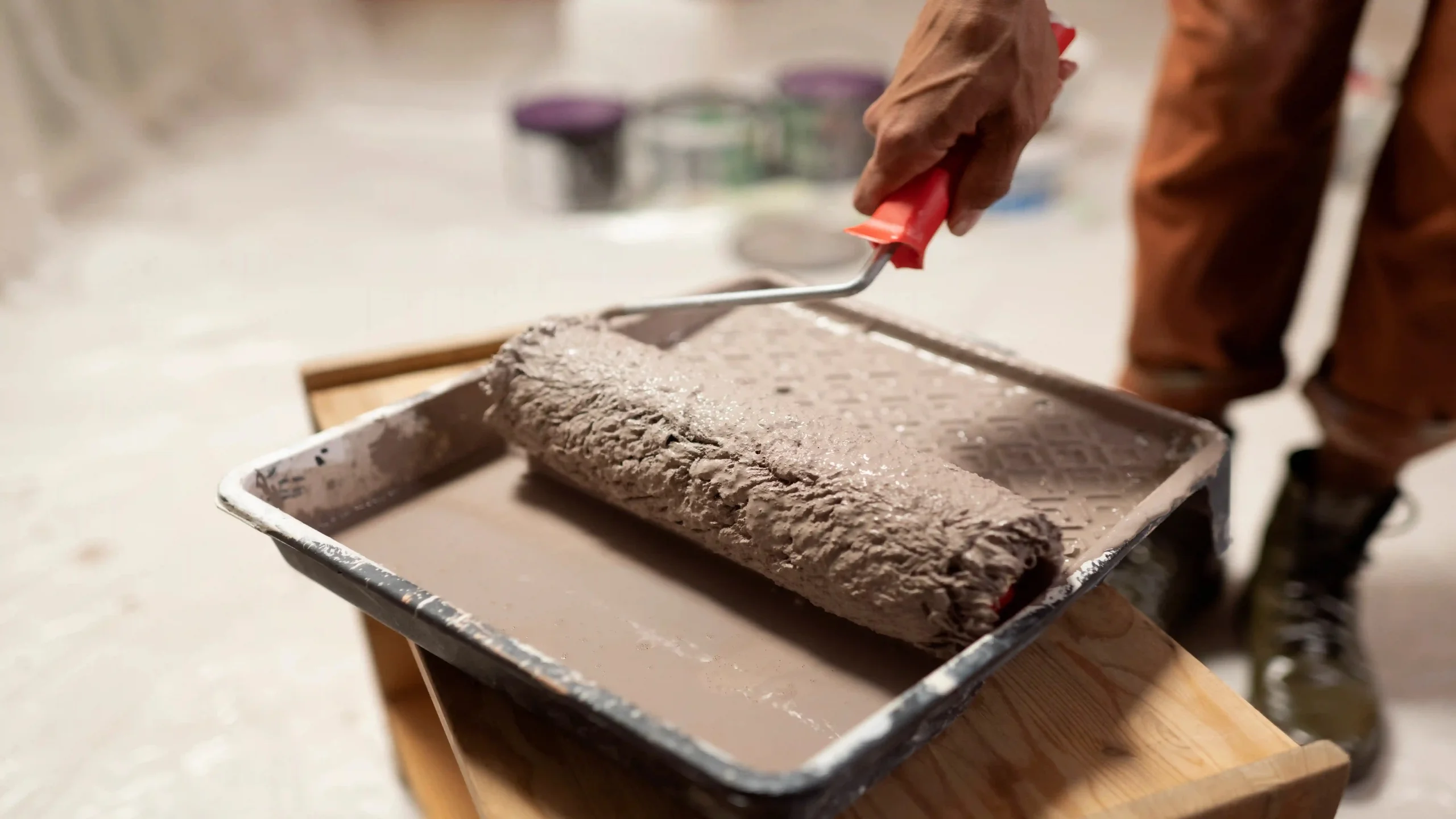
Use a roller for main wall areas to achieve faster, more even coverage. A standard 9-inch roller works perfectly for walls. Extension poles help with ceilings and high areas without needing ladders. Load the roller by rolling it in the paint tray, then removing excess on the tray’s ribbed section. The roller should be well-loaded but not dripping.
Apply the mist coat using long, even strokes or the W-motion technique. Start at the top of your working area and progress downward—this allows you to catch any drips with subsequent roller passes rather than drips ruining completed areas. Overlap each pass by 50mm to prevent lines showing between passes. Work in approximately one-meter square sections, completing each section before moving to the next.
Only go over each area once with the loaded roller. The temptation to keep working the mist coat until it looks more opaque must be resisted. Additional passes push the already-applied paint around without adding coverage, potentially pulling paint back off the surface rather than leaving it sealed. The mist coat will look thin and patchy—this is correct. It’s not meant to provide full coverage.
Watch for drips and runs constantly during application. The thin consistency drips readily, particularly on vertical surfaces. Smooth any forming drips immediately using light roller passes or by brushing them out before they set. Once dried, drips become visible through subsequent coats and require sanding to remove.
Allow the mist coat to dry completely before applying topcoats. Drying typically requires 24 hours in normal conditions—moderate temperature (18-22°C) and reasonable humidity. Don’t rush this drying time thinking “it looks dry after six hours.” The surface might appear dry while underneath layers remain damp. Painting over partially dry mist coat creates adhesion problems where the second coat disturbs the first.
Alternative Primers and Sealers
Specialized primers offer alternatives to traditional DIY mist coats. These products are formulated specifically to seal new plaster without requiring manual dilution. Zinsser Gardz is a water-based sealer designed for porous surfaces that also addresses plaster’s alkalinity. Zinsser Drywall Pro 2-in-1 combines primer and sealer functions. Dulux Sealer for Plaster provides ready-made sealing without mixing. Valspar Universal Primer & Undercoat works on multiple surfaces including new plaster. GoodHome Bare Plaster Primer offers budget-friendly sealing.
The advantages of purpose-made primers include consistent formulation eliminating mixing errors, enhanced sealing properties compared to diluted emulsion, and often better alkalinity resistance since fresh plaster is highly alkaline. Some primers also offer stain-blocking properties useful if plaster shows discoloration. The disadvantages center on cost—primers typically cost £15-25 per liter compared to £8-12 per liter for basic emulsion that gets diluted further for mist coat use.
My experience suggests primers work excellent in professional settings where consistency matters and time has value. For DIY projects, properly mixed and applied mist coat using quality emulsion provides equivalent results at lower cost. The key word is “properly”—get the mixing ratio wrong or apply too thickly, and the primer’s guaranteed consistency becomes worth the premium. A Guildford homeowner saved £40 using mist coat instead of Zinsser products, then spent £320 on remediation when they mixed it incorrectly. Sometimes the expensive option proves economical through reliability.
Complete Step-by-Step Guide to Painting Newly Plastered Walls
Essential Tools and Materials Checklist
Gather these supplies before starting to avoid mid-project supply runs that waste time and let partially completed work dry incorrectly. Dust sheets for floor and furniture protection—heavy canvas versions prove more durable than disposable plastic. Painter’s tape in 48mm width for masking switches, sockets, skirting boards, and door frames. A 9-inch roller with extension pole for walls and ceilings. A 4-inch roller for edges and tight spaces. 50mm angled brush for cutting in corners and edges.
Paint kettle or bucket for mixing mist coat. Paint tray with ribbed section for roller loading. Stirring stick for mixing paint and water thoroughly. Sandpaper in 180-grit for smoothing rough areas and filled patches. Plaster filler for repairing any cracks or imperfections. Putty knife for applying filler smoothly. Sponge or cloth for cleaning and dust removal. Extension pole for reaching high areas without ladders.
Protective clothing including old clothes or painter’s suit, gloves to protect hands from paint, and safety glasses for eye protection from splashes and drips. The mist coat’s runny consistency makes protective equipment more important than with standard painting. A Woking client learned this lesson when diluted paint splashed into their eye during ceiling work—fortunately no lasting damage, but an uncomfortable trip to A&E and a strong reminder about safety glasses.
Quality matters more for some items than others. Cheap rollers shed fibers that become embedded in painted surfaces. Invest £8-12 in decent roller sleeves rather than £3 budget versions that leave visible marks and require replacement mid-project. Paint brushes at £6-10 hold more paint and provide better control than £2 alternatives that leave visible brush marks. Painter’s tape should be proper brand-name product—cheap tape either fails to stick (allowing paint to leak under) or sticks too well (pulling paint off when removed).
Surface Preparation Before Painting
Check plaster is completely dry using visual inspection and plastic sheet testing. This verification prevents all subsequent work becoming worthless. Dark patches, cool spots, or condensation under plastic indicate waiting is necessary regardless of your schedule pressures. I’ve watched homeowners convince themselves slightly damp plaster is “close enough”—the paint failures that follow prove it never is.
Sand any rough areas or high spots using 180-grit sandpaper. New plaster should be relatively smooth, but trowel marks, small ridges, or rough patches sometimes occur. Light sanding removes these imperfections. Don’t sand excessively—the goal is smoothing obvious roughness, not creating perfectly polished surfaces. Over-sanding removes plaster and creates low spots more noticeable than the original roughness.
Fill cracks, holes, or damaged areas using plaster filler. Small hairline cracks from shrinkage during drying are common and don’t indicate structural problems. Mix filler according to package directions, press it firmly into cracks using a putty knife, smooth flush with surrounding surface, and allow complete drying before sanding smooth. Larger cracks or damage might require professional plastering assessment to determine if underlying problems exist.
Remove all plaster dust thoroughly before painting. Dust creates barriers between paint and plaster surface, reducing adhesion. Vacuum plastered walls completely using a brush attachment. Follow with wiping using slightly damp cloth or tack cloth to capture remaining fine dust. Allow walls to dry completely after damp wiping before starting mist coat application. Skipping this cleaning causes adhesion problems—the paint bonds to dust layer rather than plaster, and the dust layer has no structural integrity.
Do You Need to PVA Before Painting New Plaster?
No — PVA bonding agent is a plastering-stage product, not a painting-stage one. PVA is used by plasterers to prepare a wall surface before plaster is applied, particularly on high-suction backgrounds. Once your plaster is fully cured and dry, the mist coat takes over that sealing role for painting purposes. Applying PVA at the painting stage instead of a proper mist coat is a common mix-up, and it doesn’t provide the same controlled, breathable seal that diluted emulsion does — it can trap moisture and cause the same adhesion problems as painting too soon. If you’re unsure which stage you’re at, ask your plasterer directly before reaching for either product.
Paint Types and Product Recommendations for New Plaster
Best Paint for Mist Coat Application
Matt emulsion works best for mist coat application on new plaster. The matt finish lacks the vinyl or acrylic binders found in silk or satin finishes. These extra binders would prevent proper plaster penetration and sealing. Basic contractor’s white matt emulsion at £8-12 per 10-liter tub provides excellent mist coat performance without wasting money on premium products where their advantages don’t apply.
Avoid vinyl-based paints for mist coats. Vinyl creates impermeable film that defeats the mist coat’s sealing purpose. The label should specify “emulsion” without “vinyl” modifiers. Some budget paints use vinyl to reduce cost, which works fine for standard painting but poorly for plaster sealing. A client in Woking used vinyl silk for their mist coat because “it was on sale.” The paint sat on the surface rather than penetrating, and subsequent coats still showed through to bare plaster. Stripping back and restarting with proper matt emulsion cost £280 in materials and labor.
The color for your mist coat should be white or very close to your intended final color. White mist coat provides neutral base for any topcoat color. Using colored emulsion close to your final shade reduces topcoat coverage requirements—a white mist coat under dark colors needs additional topcoats compared to using gray or pale-colored mist coat. The cost saving from using white mist coat then extra topcoats versus colored mist coat is minimal, so choose based on convenience.
Brand selection for mist coat matters less than for topcoats since you’re diluting substantially anyway. Basic contractor’s emulsion from trade suppliers provides adequate performance at £10-15 per 10 liters. Premium brands like Dulux or Crown work perfectly but represent overkill when diluted for mist coat use. Save the premium products for topcoats where their coverage, durability, and finish qualities actually matter.
Topcoat Paint Selection by Room Type
Standard rooms (bedrooms, living rooms, hallways) work perfectly with matt or mid-sheen emulsion topcoats. Matt finishes provide flat appearance that hides minor surface imperfections. Mid-sheen finishes offer slight luster while maintaining wipeable surfaces—useful for high-traffic areas like hallways. Premium products like Dulux Once, Crown Period Collection, or Farrow & Ball provide excellent coverage and durability despite higher cost at £25-35 per 2.5 liters.
Kitchens demand grease-resistant formulations since cooking creates airborne grease that deposits on surfaces. Specialized kitchen paints include additives that resist grease absorption. Dulux Easycare Kitchen provides scrubbable, stain-resistant finish at approximately £28 per 2.5 liters. Zinsser AllClean offers similar performance with enhanced scrubbability. Don’t assume standard emulsion will perform adequately—the grease buildup over months creates yellowing and staining that normal emulsion can’t resist.
Bathrooms require mould-resistant, moisture-resistant formulations. Humid environments from showers and baths create perfect conditions for mold growth. Anti-mould paints contain fungicides that inhibit growth. Zinsser PermaWhite specifically targets bathrooms and kitchens with high-performance mold resistance at £32 per 2.5 liters. Dulux Bathroom+ provides moisture and mould resistance at £22 per 2.5 liters. These specialized products cost 50-80% more than standard emulsion but prevent the mold problems that standard paint develops within 6-12 months in humid environments.
High-traffic areas benefit from more durable silk or satin finishes. The smoother surface resists marking and wipes clean more easily than matt finishes. Children’s rooms, corridors, and stairways particularly suit these finishes. The disadvantage: silk and satin finishes highlight surface imperfections more than matt finishes, requiring more careful surface preparation. Premium silk emulsions from Crown or Dulux provide best durability at £24-32 per 2.5 liters.
Common Mistakes That Ruin Painted Plaster
Painting Too Soon: The Most Expensive Error
Impatience causes more painting failures than any other factor. The plaster appears dry superficially after 7-10 days. It feels dry to touch. The temptation to proceed becomes overwhelming when you’re eager to complete decorating. Painting at this stage traps moisture that needs escape routes. The trapped moisture creates pressure beneath the paint film. The pressure causes paint to lift, crack, peel, and blister within days or weeks.
A comprehensive Woking case study demonstrates the full cost. The homeowner plastered their lounge in January. After 10 days, the plaster looked and felt dry. They applied mist coat and two topcoats over three days. Within two weeks, visible cracking appeared along ceiling joints. Within four weeks, paint was actively peeling in 150mm sections. Investigation revealed 22% moisture content in the plaster—far above the 15% maximum for painting.
The remediation required stripping all paint, waiting additional six weeks for complete drying (with dehumidifiers running), then repainting properly. Total costs: £185 in wasted paint materials, £120 dehumidifier rental, £340 professional paint stripping and repainting, plus six weeks additional delay. If they’d simply waited the initial four weeks, none of these costs would have occurred. The lesson: patience isn’t optional when painting new plaster—it’s essential.
Visual indicators of premature painting include paint that feels slightly soft or tacky days after application should have fully dried. Dark patches showing through paint layers indicate moisture wicking through the paint film. Visible water droplets forming on paint surface in morning, particularly in bathrooms, show moisture escaping from beneath. Peeling edges starting at corners or ceiling joints where moisture collects. Cracking following plaster joint lines where moisture is highest. Blistering in irregular patches where moisture is trapped.
Skipping or Incorrect Mist Coat
The mist coat isn’t optional or interchangeable with standard primer. Its specific purpose—sealing highly porous plaster while allowing some moisture permeability—can’t be achieved through alternatives. Applying standard emulsion directly creates the problems the mist coat prevents. The plaster absorbs paint so rapidly proper film can’t form. Multiple coats still show through to bare plaster. Brush marks remain visible through multiple coats. The final appearance shows uneven absorption, patchy coverage, and obvious application marks.
Incorrect mist coat mixing creates failures despite attempting proper technique. Too thick (insufficient dilution) and the paint can’t penetrate properly, sitting on the surface like standard emulsion would. Too thin (excessive dilution) and insufficient binder remains to form sealing film, requiring multiple mist coats where one proper coat would suffice. A Surrey project in 2023 involved a homeowner who mixed 1:1 ratio (equal parts paint and water). The excessively thin mixture required three applications to achieve proper sealing—triple the time and materials of correct single application.
Application errors undermine even properly mixed mist coat. Over-working the coat by repeated roller passes pulls paint back off the surface rather than leaving it sealed. Applying too thickly in attempt to achieve better coverage defeats the penetration purpose. Painting in thick sections rather than even thin coats creates differential absorption and visible boundaries. Not allowing proper 24-hour drying before topcoating disturbs the mist coat as you apply subsequent layers.
Using Wrong Paint Products
Gloss or satin finishes directly on new plaster create adhesion nightmares. These products contain higher vinyl and acrylic content that prevents proper plaster sealing. The paint sits on surface rather than penetrating and bonding mechanically. Standard emulsion topcoats applied over gloss or satin mist coat also perform poorly because they can’t penetrate the sealed surface properly. A Guildford homeowner used satin paint for their mist coat because “it was already open and I wanted to use it up.” The subsequent matt emulsion topcoats peeled away in sheets because they couldn’t bond to the satin barrier layer.
Oil-based paints create even worse problems on new plaster. The alkalinity of fresh plaster attacks oil-based products chemically. The combination causes saponification—a soap-making reaction that softens the paint film and prevents proper hardening. Historical plastering used lime-based plasters even more alkaline than modern gypsum plasters. This is why traditional properties required proper sealing before oil-based paints. Modern emulsion paints resist alkalinity far better, making them overwhelmingly preferable for plaster work.
Kitchen and bathroom specific paints applied directly to unsealed plaster perform poorly. These specialized products need sealed surfaces to develop their grease-resistant, mould-resistant properties. Apply them directly to porous plaster and absorption prevents proper film formation. The solution: always apply proper mist coat first, then specialized topcoats. Never attempt shortcuts using specialized products directly on new plaster.
Pro Tips From 15 Years of Plastering Projects
The Bottom-Up Application Technique
Start painting from the bottom of walls and work upward rather than the standard top-down approach most tutorials recommend. This controversial technique catches drips on unpainted surface below rather than drips running down painted areas and creating marks that require repainting. The runny mist coat drips readily despite careful application. These drips, when they run down onto unpainted plaster below, simply get covered by your next upward pass. When they run down onto already-painted surface above, they create visible marks requiring touch-up work.
Professional decorators debate this technique endlessly. The traditional top-down approach has intuitive appeal—complete the high areas first, then work down without reaching over finished work. The bottom-up method requires more care about dripping onto completed areas above. My fifteen years of experience strongly favor bottom-up for mist coat application specifically because of the unusually runny consistency. For standard topcoats with normal viscosity, either direction works equally well.
The practical implementation: start your first roller load at the bottom edge of your working section. Apply upward in long strokes, working toward the top. Watch for drips constantly. Smooth any forming drips immediately. As you progress upward, any drips fall onto bare plaster waiting to be painted rather than painted surface requiring protection. Ceiling work remains top-down since there’s no “below” to work from—just accept that ceiling mist coat requires extra vigilance for drip management.
The W-Motion Rolling Technique
The W-motion technique provides more even coverage with fewer visible marks than simple up-down or side-side rolling. Load your roller well, then start at the bottom left of your section. Roll upward and right creating one diagonal stroke. Roll downward and right creating another diagonal. Roll upward and right again. This creates a rough W shape. Then fill in the W without reloading by rolling vertically to spread paint evenly.
The W-motion prevents the banding effect where roller edges create visible lines. By starting with diagonal strokes and filling in vertically, you blend edges continuously rather than creating multiple parallel lines. The technique works particularly well for mist coat because the thin consistency needs extra care to apply evenly. A Guildford decorator I trained with demonstrated this method during my apprenticeship—his walls showed visibly better coverage and fewer application marks than mine using straight rolling until I adopted W-motion.
The timing matters as much as the technique. Work each section completely before moving to the next. Don’t partially complete one section then jump to another area—this creates “holidays” (missed spots) and visible boundaries between sections as earlier areas begin drying while you work elsewhere. Complete your W-motion, fill in the pattern, blend edges with surrounding areas, inspect for missed spots or drips, then move to the adjacent section maintaining a wet edge between sections.
Maintaining Wet Edge to Prevent Lap Marks
Lap marks—visible boundaries between painting sessions or sections—create the most obvious amateur appearance in painted walls. These marks occur when you paint adjacent to previously painted areas that have begun drying. The new paint overlaps the partially dry paint, creating a visible boundary where absorption rates differ. The solution: maintain a wet edge by completing adjacent sections before earlier sections begin drying.
Working in vertical strips roughly 600-900mm wide provides manageable section sizes while maintaining wet edges. Paint your first strip completely from bottom to top (or top to bottom). Immediately begin the adjacent strip, overlapping the edge of the first strip by 50-75mm while the first strip remains wet. This overlap blends the sections together without visible boundaries. Continue across the wall in strips, always overlapping the wet edge of your previous section.
Environmental conditions affect how quickly wet edges dry. High temperature and low humidity dry paint faster, demanding quicker work. Cool temperature and high humidity allow slower work. Adjust your section sizes accordingly—smaller sections in rapid-drying conditions, larger sections when drying is slower. A Woking summer project required working in 400mm wide strips during afternoon heat. The same room in winter allowed 1000mm strips. Reading conditions and adjusting technique prevents lap marks regardless of weather.
Multiple people working simultaneously need coordination to maintain wet edges. One person cutting in edges must stay ahead of the person rolling main areas. The roller person must not get too far ahead of the edge person. Poor coordination creates dry edges that show visible boundaries. Clear communication prevents this—establish who works which sections and maintain matching pace. Professional teams develop this coordination through practice. DIY couples often struggle initially but improve with experience.
Working in Natural Light When Possible
Natural daylight reveals imperfections, missed spots, drips, and uneven coverage that artificial lighting conceals. Paint that looks perfectly even under room lights shows obvious problems in daylight. Plan your painting schedule to work during maximum natural light hours—roughly 10 AM to 3 PM in UK during winter, extending to 8 AM to 6 PM during summer.
Open curtains and blinds fully during painting work. Position yourself so you’re viewing the wall with light falling across the surface rather than behind you or from directly ahead. Side-lighting from windows creates shadows that highlight surface irregularities and application problems. A professional decorator’s trick: periodically step back and view your work from multiple angles under natural light. Problems invisible from your working position become obvious from different viewing angles.
Large rooms with windows on multiple walls provide excellent natural lighting for painting work. Small rooms with single small windows or north-facing rooms present challenges. Consider working in multiple sessions targeting optimal light times for each section. A north-facing Surrey bedroom required three separate half-day sessions to complete because afternoon natural light was essential for quality results. The additional time proved worthwhile—the finished room showed perfect coverage and evenness that single-session work under artificial light wouldn’t have achieved.
Troubleshooting Problems and Repairs
Dealing With Hairline Cracks After Painting
Small hairline cracks often appear in new plaster during final drying stages. These shrinkage cracks result from moisture loss and represent cosmetic rather than structural problems. Cracks narrower than 1mm don’t indicate foundation issues or building movement—they’re normal plaster behavior. Wider cracks or cracks that continue opening require professional structural assessment to identify underlying causes.
Repairing hairline cracks involves filling with fine surface filler, smoothing flush with surrounding surface using putty knife, allowing complete drying (typically 2-4 hours), then sanding smooth with 180-grit paper. Dust thoroughly after sanding using vacuum and damp cloth. Apply mist coat to the repaired area if you’re repairing before initial mist coat. Apply topcoat if repairing after mist coat. Allow proper drying time before the next coat.
The key to invisible repairs: feather the filler edges gradually into surrounding surface rather than creating obvious boundaries. Apply filler slightly proud of surrounding surface, then sand level—this prevents shallow depressions that show through paint. Some fillers shrink during drying and require second application to fill depressions completely. Don’t rush—two careful applications create better results than five hurried attempts.
Prevention reduces crack occurrence more effectively than repairs. Ensure plaster dries slowly and evenly by maintaining moderate temperature without rapid changes. Avoid using excessive heat to speed drying—rapid surface drying while deeper layers remain wet creates stress that causes cracking. Allow proper four-week drying time before painting. These measures reduce shrinkage crack formation by 60-70% in my experience.
Fixing Peeling Paint on New Plaster
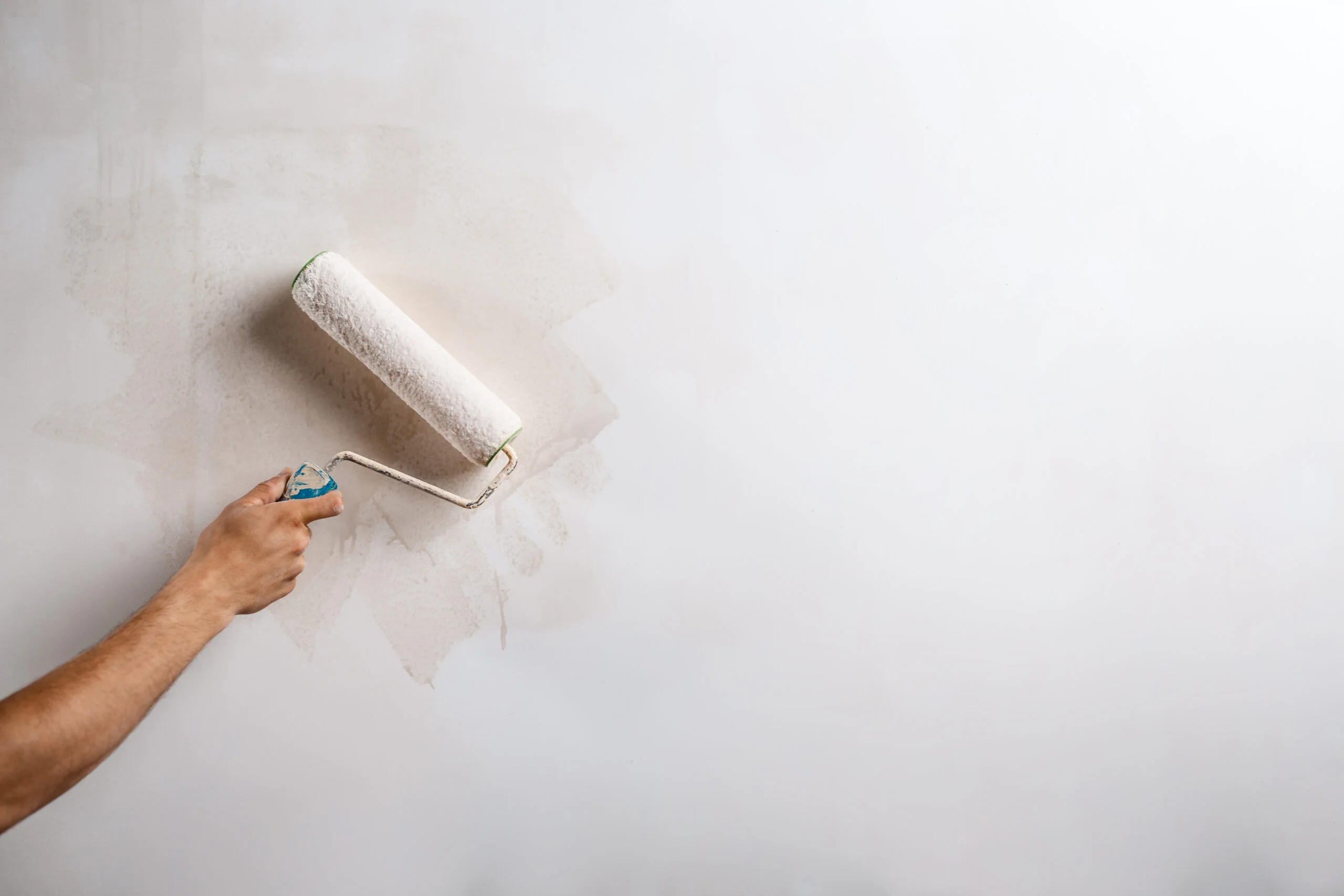
Paint peeling from new plaster indicates fundamental preparation failures—insufficient drying time, missing mist coat, or incorrect products. The peeling must be removed completely before attempting repairs. Scrape loose paint carefully using paint scraper or putty knife. Sand edges of remaining paint to create smooth transition to bare plaster. Remove all loose material until only firmly bonded paint remains.
Clean the affected area thoroughly using damp cloth to remove dust and loose material. Allow complete drying. Apply mist coat to the exposed plaster area, extending slightly onto surrounding sound paint to ensure good edges. Allow 24-hour drying. Apply topcoat to match surrounding areas, again extending slightly beyond the mist coat area. Two or three topcoats might be necessary to blend the repair invisibly with surrounding areas.
The critical question: why did peeling occur? If the cause was premature painting over insufficiently dry plaster, the problem will likely extend beyond the currently visible peeling. Moisture trapped beneath paint continues causing problems. Consider moisture testing the entire wall. If moisture content exceeds 18%, the entire paint job requires stripping back, proper drying, and complete repainting. Attempting piecemeal repairs when underlying moisture problems exist wastes time and money.
A Woking project demonstrated this point. The homeowner repaired small peeling areas three times over six months. Each repair lasted a few weeks then peeled again. Finally, we moisture tested the walls—readings showed 26% moisture content throughout. The entire room required stripping, drying with dehumidifiers for four weeks, then proper mist coat and topcoat application. The comprehensive repair cost £680 compared to approximately £200 spent on failed piecemeal repairs. Address root causes rather than symptoms.
Addressing Uneven Finish and Patchy Coverage
Patchy or uneven coverage where some areas look more opaque and others show through to plaster beneath typically indicates inadequate mist coat or excessive plaster porosity. The solution requires additional mist coat applications to problem areas to equalize absorption rates across the wall. Allow the first mist coat to dry completely. Apply second mist coat to patchy areas, extending slightly onto surrounding areas. Allow 24-hour drying. Then apply your topcoats.
Very porous plaster areas sometimes require two mist coats even when the rest of the wall needs only one. This differential porosity results from varying drying rates, different plaster mixing batches, or varying application thickness. Rather than attempting to force single mist coat to work, accept that problem areas need additional sealing. The minor additional time and material cost prevents the far higher cost of poor finish.
Brush marks showing through topcoats despite multiple applications suggest either poor quality brushes shedding fibers into paint or excessively thick paint application. Use quality brushes for cutting in work—invest £6-10 rather than using £2 disposable brushes that create problems. Thin your topcoat slightly (approximately 5-10% water) if it’s too thick to level properly. Apply thinner coats using light pressure rather than thick coats with heavy pressure.
Roller marks creating texture or pattern typically result from incorrect roller nap thickness. Short nap (10mm) works for smooth surfaces like new plaster. Medium nap (12-15mm) suits slightly textured surfaces. Long nap (18mm+) is for heavily textured surfaces. Using long nap on smooth plaster creates obvious texture. Invest in appropriate short-nap roller sleeves for plaster work—they cost £3-5 each and create dramatically better results than universal medium-nap alternatives.
Cost Analysis and Budgeting for Your Project
Material Costs Breakdown for Standard Room
A typical 4m x 3m bedroom with 2.4m ceiling height requires approximately 45 square meters of wall and ceiling area. Material requirements: 10 liters of emulsion for mist coat (diluted to approximately 12-13 liters application volume) at £10-15. Two 2.5-liter tins of topcoat emulsion at £22-28 each (£44-56 total). Filler for crack repairs (£4-6 per tub). Sandpaper (£3-5). Painter’s tape (£6-8 per roll). Dust sheets (£10-15 for disposable, £20-30 for reusable canvas).
Roller and brush expendables add £15-25—two roller sleeves at £4-6 each, one angled brush at £7-10, paint tray at £3-4. If you lack reusable tools, add £15-20 for extension pole, roller frame, and additional brushes for cutting in. Total material costs for DIY bedroom painting after new plaster: £90-150 depending on paint quality and whether you have existing tools.
Scale these costs proportionally for different room sizes. A large lounge (6m x 5m with 2.4m ceiling) requires roughly double materials at £180-300. A small bathroom (2m x 2m) needs approximately one-third materials at £30-50. The mist coat and first topcoat consume most paint volume—second topcoat requires considerably less since you’re painting over sealed surfaces with good coverage.
Premium paints increase costs by 40-60% compared to mid-range products. Dulux or Farrow & Ball topcoats cost £30-40 per 2.5 liters versus £20-25 for mid-range brands like Valspar or Crown. The premium often delivers better coverage, durability, and finish quality. For high-use rooms (hallways, kitchens, children’s rooms), premium products justify the cost through longer-lasting results. For low-use rooms (spare bedrooms, studies), mid-range products perform adequately.
DIY vs Professional Labor Costs
Professional decorators charge £150-250 per day across Surrey depending on experience and location. A standard bedroom painting after new plaster requires 1.5-2 days—day one for mist coat application, drying overnight, day two for two topcoats with drying between coats. Total professional labor: £225-500 depending on day rate and whether painter provides materials or you supply them. Add materials (£90-150) for total professional project cost of £315-650.
DIY requires 2-3 days spread over one week allowing proper drying between coats. Day one for preparation and mist coat (4-6 hours). 24-hour drying. Day three for first topcoat (3-4 hours). 2-hour drying. Day three continued for second topcoat (3-4 hours). Your time has value—10-14 hours at £15-20 hourly value equals £150-280 opportunity cost plus £90-150 materials for £240-430 total economic cost.
The professional premium of £75-220 buys guaranteed results, faster completion, and transfer of risk. Professional work comes with implicit or explicit guarantees—if paint fails due to application error, they return and correct it. DIY failures cost you additional materials and time with nobody to blame. For confident DIYers with proper tools and patience, the savings justify the effort. For time-poor homeowners or those lacking confidence, professional work proves economical through reliability and speed.
The economic mathematics shift for larger projects. A complete three-bedroom house with lounge, dining room, hallway, and stairs might require 8-12 days professional labor at £1,200-3,000 plus £500-800 materials for £1,700-3,800 total. DIY requires 4-6 weeks of evenings and weekends—60-100 hours at £15-20 hourly value equals £900-2,000 opportunity cost plus materials. The professional premium shrinks proportionally for larger projects while the quality and reliability benefits remain.
Painting New Plaster in Special Situations
Bathroom and Kitchen Considerations
Bathrooms demand anti-mould, moisture-resistant paints due to steam and humidity from showers and baths. Standard emulsion in bathrooms develops mould within 6-12 months regardless of ventilation quality. The combination of warm, humid conditions and organic material in paint creates perfect mould growth conditions. Specialized bathroom paints include fungicides that inhibit growth.
The mist coat process remains identical for bathrooms—diluted standard matt emulsion provides proper sealing. The topcoat substitutes specialized bathroom paint for standard emulsion. This two-stage approach works perfectly—the mist coat seals plaster, the specialized topcoat provides long-term mould resistance. Don’t attempt using bathroom-specific paint for mist coat—the formulation isn’t designed for the dilution and penetration that mist coat requires.
Kitchens require grease-resistant paints that resist the airborne grease from cooking. Standard emulsion absorbs grease gradually, creating yellowing and dirty appearance. Kitchen-specific paints use modified binders that resist grease penetration. Brands like Dulux Easycare Kitchen or Zinsser AllClean provide scrubbable surfaces that clean easily.
Both bathrooms and kitchens benefit from improved ventilation during plaster drying and after painting completion. Extractor fans remove moisture and odors, reducing conditions favorable to mould growth and helping paint cure properly. A Guildford bathroom project in 2021 involved installing upgraded extractor alongside painting with anti-mould paint. The combination prevented mould problems that the previous paint (standard emulsion with inadequate ventilation) developed repeatedly.
Dealing With Lime Plaster
Lime plaster requires substantially longer drying times than standard gypsum-based plaster—often 4-8 weeks minimum depending on thickness and conditions. Lime plaster’s setting process involves carbonation (absorbing CO2 from air) rather than simple moisture evaporation. This chemical change proceeds slowly and can’t be rushed safely.
The mist coat technique for lime plaster remains fundamentally similar to gypsum plaster, though some traditional plasterers prefer lime wash as the first coat for lime plaster. Lime wash is diluted lime putty applied as a breathable coating. If using standard emulsion mist coat on lime plaster, ensure you use traditional emulsion without vinyl content—vinyl prevents the breathability that lime plaster requires for proper performance.
Modern synthetic paints on lime plaster can cause problems. The impermeability prevents moisture movement through walls, potentially trapping damp that historic lime plaster systems are designed to manage through breathability. In historic properties with lime plaster walls, consider traditional breathable paint systems like lime wash, distemper, or specialized breathable emulsions designed for heritage work.
Properties with lime plaster typically benefit from specialist advice. Conservation officers for listed buildings often require specific paint types and application methods. A heritage property in Godalming required lime wash application over lime plaster using traditional techniques—modern emulsion would have violated listing conditions and potentially damaged the historic fabric. Specialist heritage contractors cost £50-75 daily premium over standard decorators but provide essential expertise for sensitive situations.
Timeline Summary for Complete Project
Week-by-Week Schedule
Weeks 1-4: Plaster Drying
- Week 1: Rapid surface drying, plaster changes from dark pink to lighter shade
- Week 2: Continued moisture evaporation, color lightening continues
- Week 3: Deeper moisture migrates to surface and evaporates
- Week 4: Final deep moisture reaches surface, uniform pale color achieved
- Throughout: Maintain moderate temperature (18-22°C), ventilate regularly, avoid excessive heat
Week 5: Preparation and Mist Coat
- Day 1: Verify complete drying using visual inspection and plastic sheet test
- Day 2: Sand rough areas, fill cracks, clean thoroughly
- Day 3: Apply painter’s tape, lay dust sheets, organize tools and materials
- Day 4: Mix and apply mist coat (4-6 hours work)
- Days 5-6: Allow 24-48 hour drying time
Week 6: Topcoat Application
- Day 1: Apply first topcoat (3-4 hours work)
- Days 1-2: Allow 3-6 hour drying time (or overnight for better results)
- Day 2: Apply second topcoat (3-4 hours work)
- Days 2-7: Allow final cure (light use possible after 24 hours, full cure after 7 days)
Total project timeline from plastering completion to fully cured painted walls: 5-6 weeks. This conservative timeline ensures proper drying and curing at each stage. Rushing any stage risks the failures that cost £300-800 in remediation. Patience represents the cheapest investment in successful plaster painting.
FAQ: Everything Else You Need to Know
How long to wait before painting new plaster?
Wait minimum four weeks before painting newly plastered walls in typical UK conditions. This timeline allows complete moisture evaporation from gypsum-based finishing plaster. The four-week period assumes moderate temperature (18-22°C), reasonable humidity (40-60%), and adequate ventilation. Cooler conditions, high humidity, or poor ventilation extend required drying time to 5-6 weeks. Visual indicators of adequate drying include uniform pale pink or light cream color throughout, no dark patches indicating retained moisture, and dry, cool feel to touch. The plastic sheet test provides definitive verification—tape 300mm square plastic sheet to wall for 24 hours; condensation on wall-facing surface indicates insufficient drying. Never paint damp plaster regardless of schedule pressures—trapped moisture causes paint peeling, cracking, and blistering within days or weeks, requiring complete stripping and repainting at costs exceeding £500 for standard rooms.
What is a mist coat and why is it necessary?
A mist coat is diluted emulsion paint (typically 3-4 parts paint to 1 part water) applied as the first coat on new plaster. This watered-down mixture penetrates the plaster’s porous surface partially while forming a thin sealing film, solving the fundamental problem of painting highly absorbent plaster. Without a mist coat, standard emulsion gets absorbed so rapidly it can’t form a continuous film—the paint disappears into substrate leaving patchy, uneven coverage. Multiple coats still show through to bare plaster, and you consume 3-5 times more topcoat paint attempting adequate coverage. The mist coat’s diluted consistency allows controlled absorption while reduced binder content creates the mechanical bonding essential for subsequent coats. Apply using roller and brush with thin, even coverage—it will look runny and patchy, which is correct. Allow 24 hours drying before topcoats. Alternatives include specialized primers like Zinsser Gardz or Dulux Sealer for Plaster, but properly mixed mist coat using quality matt emulsion provides equivalent results at lower cost.
Do you need to PVA before painting new plaster?
No. PVA is a plastering-stage bonding agent, not a painting-stage product — it’s used to prepare a wall before plaster is applied, particularly on high-suction backgrounds. Once plaster is dry and ready for decoration, the mist coat is the correct sealing step, not PVA. Using PVA instead of a mist coat can trap moisture and cause the same peeling and adhesion failures as painting too soon.
Can you paint straight onto new plaster?
No, you cannot paint standard emulsion directly onto new plaster successfully. The plaster’s extreme porosity absorbs paint too rapidly for proper film formation. The paint disappears into the substrate rather than creating a continuous layer, resulting in patchy coverage, visible brush marks, and uneven appearance regardless of how many coats you apply. You must first seal the plaster using either a diluted mist coat (3-4 parts matt emulsion to 1 part water) or specialized primer designed for new plaster. This sealing coat penetrates partially while forming a film that reduces subsequent absorption to manageable levels. Attempting to skip this step wastes topcoat paint—I’ve witnessed homeowners apply five or six coats trying to achieve coverage without proper sealing when proper mist coat plus two topcoats would have provided superior results using less total paint. The mist coat isn’t optional; it’s essential for successful plaster painting.
What happens if you paint new plaster too soon?
Painting insufficiently dry plaster traps moisture that needs to evaporate, causing multiple serious problems within days or weeks. The trapped moisture creates pressure beneath the paint film that pushes paint away from the surface, resulting in peeling (paint lifting in sections or sheets), cracking (visible lines appearing in paint surface, often following plaster joints), blistering (bubbles forming under paint from trapped moisture), and flaking (small paint pieces falling away). The problems appear gradually—initial application might look fine, then defects develop as trapped moisture attempts to escape. A Woking project I remediated involved paint applied just 10 days after plastering; within three weeks, 40% of the walls showed visible cracking and peeling. The repair required complete paint removal, six weeks additional drying with dehumidifiers, then proper mist coat and topcoat application at total cost of £645 for materials, equipment rental, and labor. Waiting the initial four weeks would have prevented all these problems and costs. Moisture meter testing showing above 18% moisture content indicates waiting is essential.
What paint is best for new plaster?
Matt emulsion works best for mist coat application on new plaster because it lacks the vinyl or acrylic binders in silk/satin finishes that prevent proper penetration. Use basic contractor’s white matt emulsion at £8-12 per 10 liters, diluted 3-4 parts paint to 1 part water. For topcoats, choose based on room type: standard rooms (bedrooms, living rooms) work well with quality matt or mid-sheen emulsion like Dulux Diamond Matt or Crown Period Collection at £24-32 per 2.5 liters; kitchens need grease-resistant formulations like Dulux Easycare Kitchen (£28 per 2.5L); bathrooms require anti-mould moisture-resistant paints like Zinsser PermaWhite (£32 per 2.5L) or Dulux Bathroom+ (£22 per 2.5L). Avoid vinyl-based paints for mist coats and never use silk or gloss finishes directly on unsealed plaster. Alternative to DIY mist coat: specialized primers like Zinsser Gardz or Dulux Sealer for Plaster provide consistent results without mixing but cost £15-25 per liter versus £8-12 per liter for basic emulsion.
How do you know when plaster is dry enough to paint?
Dry plaster shows uniform pale pink or light cream color throughout with no dark patches indicating retained moisture. Wet plaster appears dark pink or brown; as drying progresses, color lightens gradually. The critical indicator: completely uniform color across entire plastered surface with no darker spots even in corners or behind furniture. Touch testing supplements visual inspection—dry plaster feels cool and powdery, never damp or smooth. For definitive verification, use the plastic sheet test: tape 300x300mm plastic sheet to wall using decorator’s tape around all edges to create airtight seal, leave 24 hours undisturbed, then remove and inspect. Any condensation droplets on wall-facing surface indicate moisture still evaporating; wait additional week and retest. No condensation suggests adequate drying. Professional moisture meters provide precise readings—below 15% indicates ready for painting, above 18% suggests waiting longer, above 25% means substantial drying still required. The four-week minimum timeline in typical conditions (18-22°C, 40-60% humidity, adequate ventilation) provides safe guideline, though cooler or damper conditions extend this to 5-6 weeks.
What is the correct mist coat mix ratio?
Paint manufacturers recommend varying mist coat ratios depending on their specific formulations: Dulux suggests 10:1 (10 parts paint to 1 part water), Crown recommends 6:4, Valspar specifies 3:1, B&Q suggests 2:1, and Harris recommends 70:30 mix. This variation exists because different emulsions have different viscosities and binder contents. My practical recommendation after testing dozens of products: start with 4:1 ratio (four parts paint to one part water) using matt emulsion. This provides thin enough consistency for proper plaster penetration while retaining sufficient binder to form sealing film. The mixed mist coat should be noticeably runny—similar to single cream consistency—and should drip steadily from brush rather than clinging in thick drops. If mixture seems too thick, add more water gradually. If too thin and runs excessively, add small amounts of undiluted paint. Always check your specific paint’s instructions as some products designed for new plaster require different ratios or no dilution. When uncertain, mix conservatively (less water) rather than excessively thin—you can always apply second mist coat to porous areas if needed.
Can you use primer instead of mist coat?
Yes, specialized primers designed for new plaster provide alternatives to traditional DIY mist coats and sometimes offer advantages. Products like Zinsser Gardz (water-based sealer for porous surfaces, £20-25 per liter), Zinsser Drywall Pro 2-in-1 (primer/sealer combination, £22-28 per liter), Dulux Sealer for Plaster (ready-made alternative, £18-24 per liter), and Valspar Universal Primer & Undercoat (£16-22 per liter) seal new plaster without requiring manual mixing. The advantages include consistent formulation eliminating mixing errors, enhanced sealing properties compared to diluted emulsion, better alkalinity resistance since fresh plaster is highly alkaline, and often stain-blocking properties. The disadvantages center on cost—primers typically cost £15-25 per liter versus £8-12 per liter for basic emulsion that dilutes further for mist coat use. Professional decorators often prefer primers for consistency and reliability. DIY projects achieve equivalent results using properly mixed mist coat at lower cost. If you’re uncertain about mixing ratios or want guaranteed results without experimentation, purpose-made primers justify their premium cost through reliability.
How many coats of paint do you need on new plaster?
New plaster requires one mist coat followed by typically two topcoats for complete coverage and durability. The mist coat seals the porous surface but looks thin and patchy—this is normal and expected. The first topcoat provides initial coverage and color but may show slight variations or patchiness, particularly with darker colors. The second topcoat provides final even coverage and durability. Very light colors or white-on-white applications sometimes achieve adequate coverage with single topcoat after mist coat, while deep or strong colors (reds, dark blues, dark greens) might require third topcoat for perfect coverage. Premium paints with higher pigment content often provide better coverage than budget paints—Dulux Diamond or Crown Period Collection might achieve full coverage in two topcoats where budget paint needs three. Calculate your requirements conservatively: for standard 4x3m bedroom, expect to use 10L mist coat (diluted), 5L total topcoat (2.5L per coat) for light/medium colors, or 7.5L topcoat (2.5L first coat, 2.5L second coat, 2.5L third coat) for dark colors. Allow proper drying between coats—24 hours after mist coat, 2-4 hours between topcoats depending on paint type and conditions.
Why is my paint peeling off new plaster?
Paint peeling from new plaster indicates fundamental preparation failures that must be identified and corrected. The three most common causes: (1) Insufficient drying time—painting over plaster containing above 18% moisture content traps water that creates pressure pushing paint away from surface; (2) Missing or incorrect mist coat—applying standard emulsion directly to unsealed porous plaster prevents proper adhesion as paint absorbs too rapidly; (3) Wrong product selection—using vinyl-based, silk, or gloss finishes on unsealed plaster creates impermeability preventing proper bonding. Additional causes include contaminated surfaces (dust, plaster residue, grease), excessive humidity during drying, or structural damp issues unrelated to plaster drying. Investigation requires moisture testing the plaster beneath peeling areas—above 18% indicates insufficient initial drying; below 15% suggests incorrect products or application. Remediation requires removing all loose paint by scraping and sanding, identifying and correcting root cause (waiting for full drying, proper surface preparation), applying correct mist coat to exposed areas, then repainting with appropriate topcoats. A Guildford case required complete stripping and six weeks additional drying after homeowner painted just 12 days after plastering—total remediation cost £620 compared to zero cost if they’d simply waited initial four weeks.
Can you use silk paint on new plaster?
Never use silk or satin paint directly on new plaster or as mist coat material. Silk and satin finishes contain higher vinyl and acrylic content than matt emulsion, creating more impermeable film that prevents proper plaster penetration and sealing. For mist coat, you must use matt emulsion without vinyl content—the lack of extra binders allows the diluted paint to penetrate plaster pores while forming adequate sealing film. After proper mist coat preparation, silk or satin paints work perfectly as topcoats where their wipeable, durable characteristics provide advantages in high-traffic areas, kitchens, or bathrooms. The application sequence must be: (1) proper mist coat using matt emulsion or specialized primer, (2) 24-hour drying, (3) silk or satin topcoats as desired. Attempting silk/satin directly on unsealed plaster causes adhesion failures, patchy coverage, and peeling within weeks. A Woking homeowner used satin paint for mist coat “because it was already open”—the subsequent matt topcoats peeled away in sheets because they couldn’t bond to the satin barrier layer, requiring complete removal and proper preparation at £380 cost including materials and labor.
Taking Action: Your Step-by-Step Implementation Plan
Schedule your painting project to align with plaster drying requirements rather than forcing artificial deadlines. If plastering completes in January, plan mist coat for late February and topcoats for early March. This realistic timeline prevents the rushed decisions that cause failures. Mark calendar dates for drying milestones—week 2 color change check, week 4 complete drying verification, week 5 mist coat application, week 6 topcoat completion.
Gather all required materials before starting to prevent mid-project supply runs. Create a comprehensive shopping list based on your room measurements: mist coat paint (10L matt emulsion per 40-50 square meters), topcoat paint (2.5L per coat per 40-50 square meters), brushes (50mm angled for cutting in), rollers (9-inch for walls with short nap sleeves), extension pole, paint tray, painter’s tape, dust sheets, sandpaper, filler. Purchasing complete materials upfront costs £90-150 for standard bedroom but prevents delays and ensures consistent product use.
Verify complete plaster drying using both visual inspection and plastic sheet testing before proceeding with any painting work. Impatience at this stage causes the majority of failures I remediate. A few extra days drying provides certainty while rushed work creates expensive problems. If moisture testing equipment is unavailable, the plastic sheet test provides adequate verification at zero cost beyond tape and plastic sheet.
Apply the mist coat carefully using proper dilution ratios and technique. The runny consistency and patchy appearance concern many first-timers—this is completely normal and expected. Resist the temptation to over-work the coat attempting better coverage. Apply thin even coverage, allow 24-hour drying, then assess. If some areas remain highly porous showing excessive topcoat absorption, apply second mist coat to those areas only.
Consider professional assistance if you lack confidence in any project stage. Professional plastering services across Surrey provide experienced assessment and reliable execution. The cost premium of £150-350 for professional painting versus DIY buys guaranteed results and eliminates risk of failures requiring expensive remediation. For time-poor homeowners or large projects, professional work often proves economical through speed and reliability.
The difference between successful plaster painting and expensive failure comes down to patience during drying, proper mist coat preparation, and appropriate product selection. Understanding why these factors matter—not just following instructions blindly—allows you to make informed decisions when standard advice doesn’t perfectly fit your specific situation. Your walls represent substantial investment in your home’s value and appearance. Treating them with appropriate care and patience ensures decades of trouble-free performance rather than months before problems emerge requiring costly repairs.
Ready for expert advice on your new plaster project? Contact Surrey Plastering & Rendering Company today.
Have you encountered problems painting new plaster in your home? What specific questions remain about timing, products, or techniques? Share your experiences and questions in the comments—understanding where confusion exists helps identify topics worth exploring in future detailed guides for Surrey homeowners navigating plastering and decorating projects.