
Can you plaster over paint? Yes — but only if the surface, paint type, and preparation are right. Plastering directly over a painted wall without proper prep is one of the most common causes of plaster peeling, cracking, or falling away within weeks. In this guide, we explain exactly when it’s safe to plaster over paint, how to prepare the surface correctly, and when you should strip the paint back first.
Not sure if your walls are ready for plastering? Get in touch with our team for expert advice, or see our plastering services in Cobham.
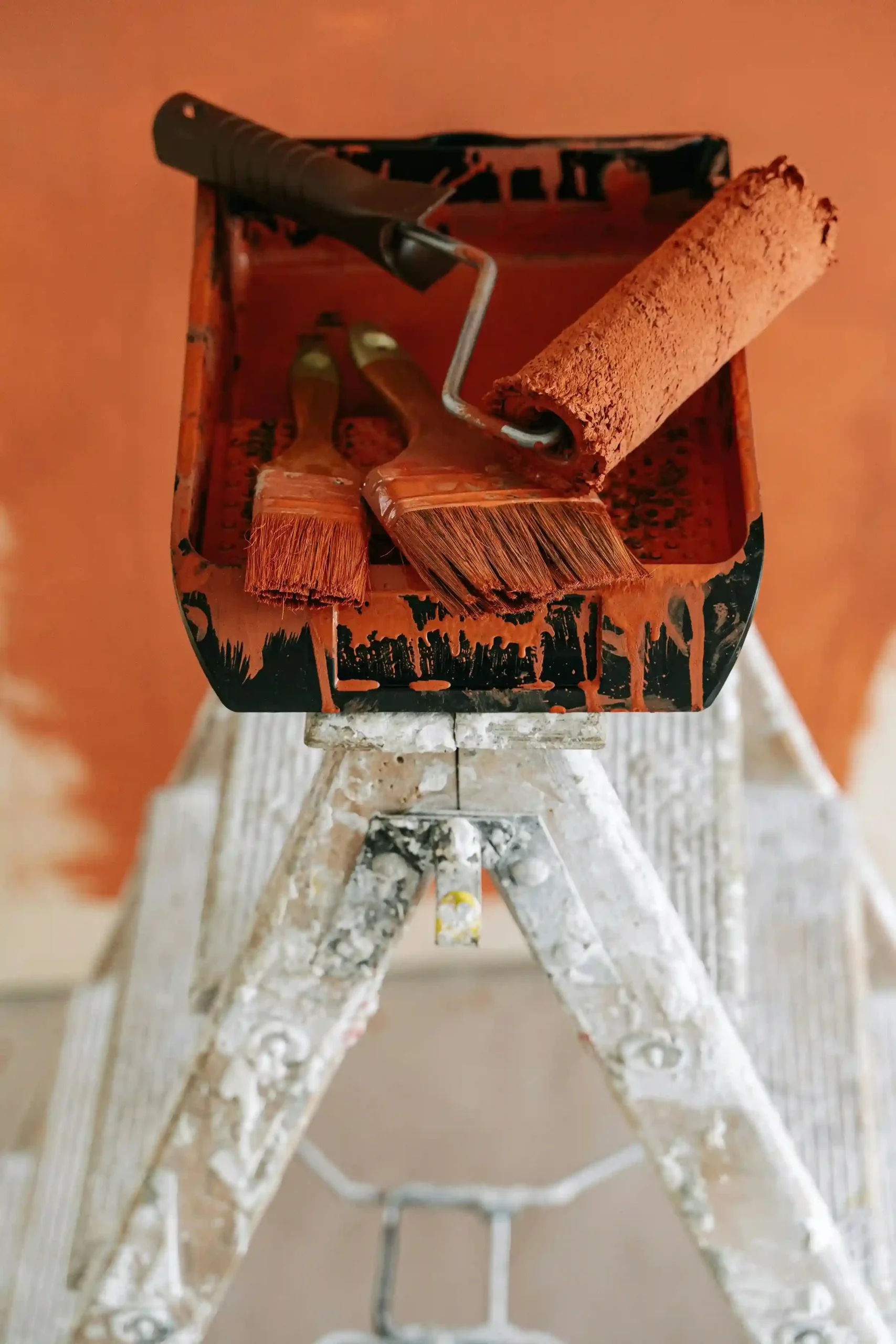
Can You Plaster Over Paint?
The short answer is yes — you can plaster over paint, but it depends entirely on the condition of the existing paintwork. Plaster needs a clean, stable, and slightly porous surface to bond to. Paint, especially gloss or multiple old layers, can act as a barrier that stops plaster from keying into the wall properly.
If the paint is sound — not flaking, peeling, or glossy — and the wall is properly cleaned and primed, plastering directly over it is a perfectly normal part of professional practice. If the paintwork is in poor condition, plastering over it without the right preparation will almost always lead to problems later, including bubbling, cracking, or the entire plaster layer detaching from the wall.
Does Plaster Stick to Paint?
Plaster does not naturally stick well to painted surfaces the way it does to bare brick, block, or plasterboard. Paint creates a smooth, sealed surface that reduces the mechanical “key” plaster relies on to bond — this is the single biggest reason DIY plastering over paint goes wrong.
Emulsion paint is generally the easiest to plaster over, since it’s more porous and absorbs a bonding agent well.
Gloss paint is far more problematic. Its hard, shiny surface repels moisture and bonding agents, so it needs to be sanded to create a key, or in some cases stripped back entirely.
Distemper (an older, chalky type of paint found in many period properties) is the most difficult surface to plaster over, since it’s powdery and unstable — plaster applied over distemper will often pull the distemper away from the wall entirely. If you suspect your walls have distemper rather than modern paint, this usually needs to be removed before any plastering work begins.
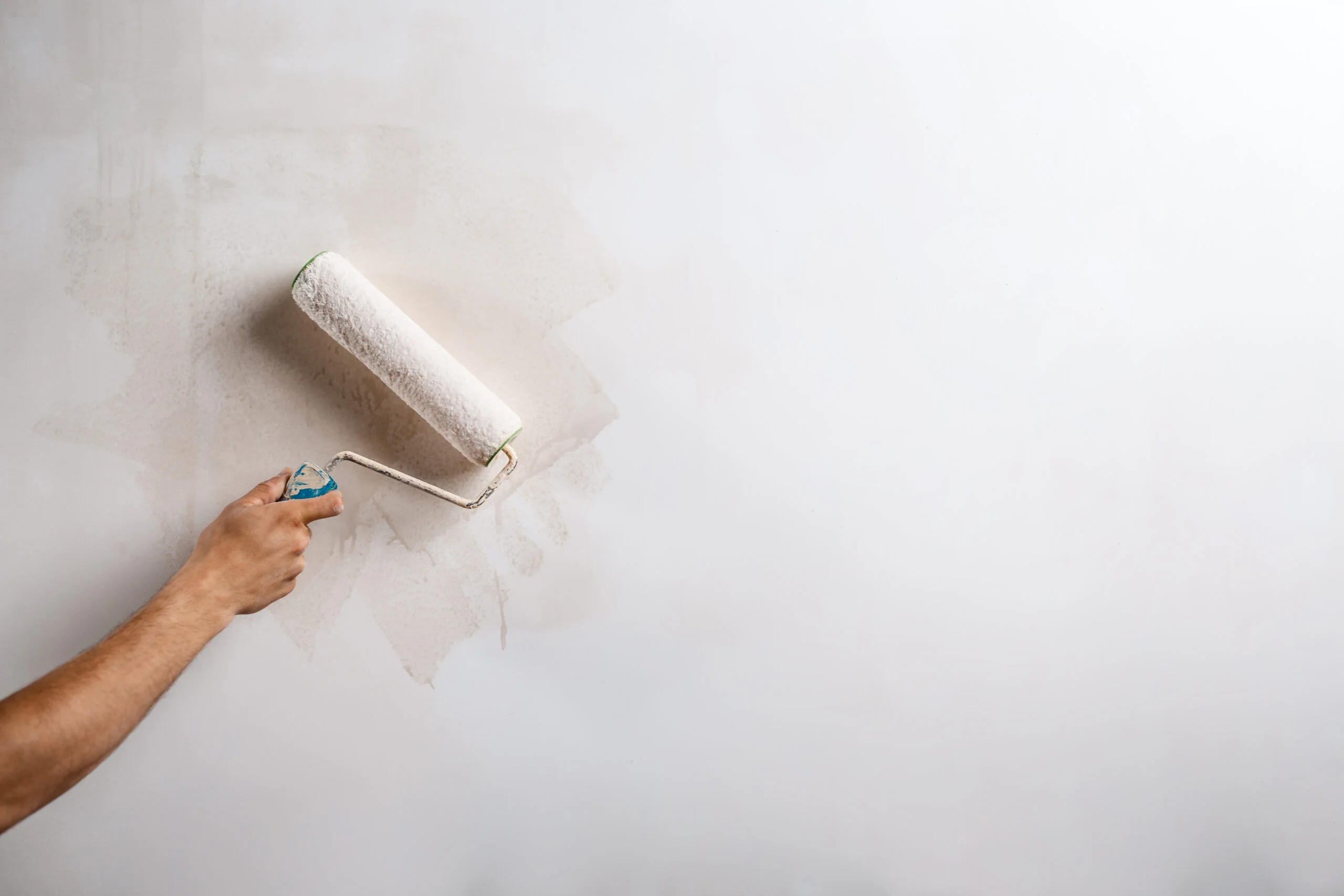
Plastering Over Painted Masonry vs Painted Plasterboard
It’s worth understanding that painted masonry (brick or block walls) and painted plasterboard behave differently when it comes to plastering over paint.
Painted masonry walls are generally more forgiving — the underlying material is porous even if the paint layer isn’t, so once the paint is cleaned, keyed, and primed correctly, plaster typically bonds well.
Painted plasterboard requires more caution. Plasterboard has a paper facing, and if that paper has been damaged by scraping, sanding, or previous paint removal attempts, plaster may not adhere evenly. In this case, a PVA bonding coat is essential, and in some cases a bonding-specific plaster is recommended over a standard finishing plaster.
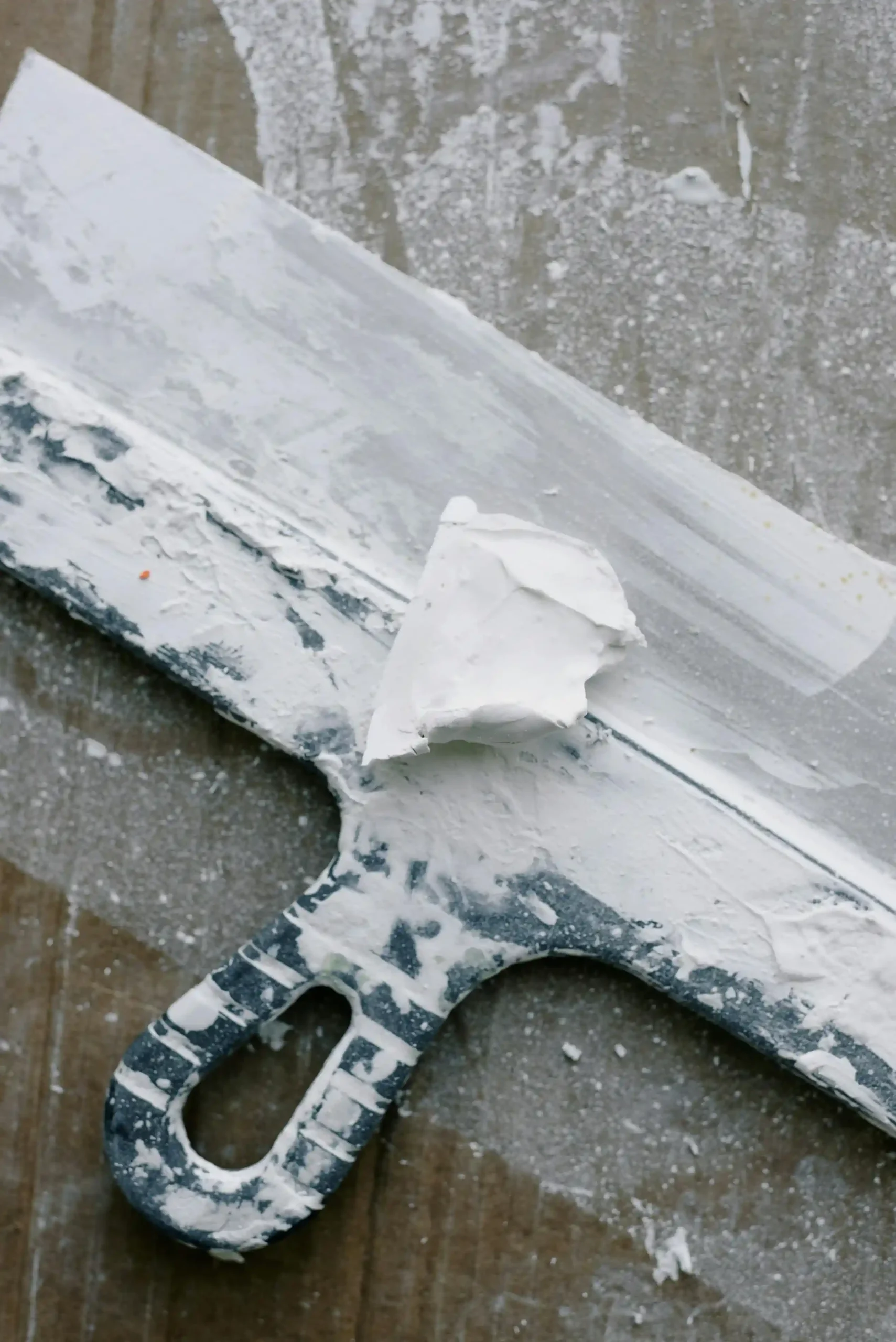
The PVA Bonding Agent Process
A PVA (polyvinyl acetate) bonding agent is the standard method professional plasterers use to prepare a painted wall before plastering. PVA acts as a bridge between the sealed painted surface and the new plaster, giving it something to grip onto.
Mixing ratio: PVA is typically diluted with water at a ratio of around 3 parts water to 1 part PVA for a bonding coat (always check the manufacturer’s guidance, as ratios vary between products).
Application: Apply the diluted PVA evenly across the entire wall using a brush or roller, making sure no area is missed — patchy application leads to patchy adhesion.
Drying time: Allow the PVA to become tacky but not fully dry before plastering — this is usually around 20-30 minutes, though it can vary depending on room temperature and ventilation.
Skipping this step, or applying PVA unevenly, is one of the most common reasons plaster fails to bond properly over paint.
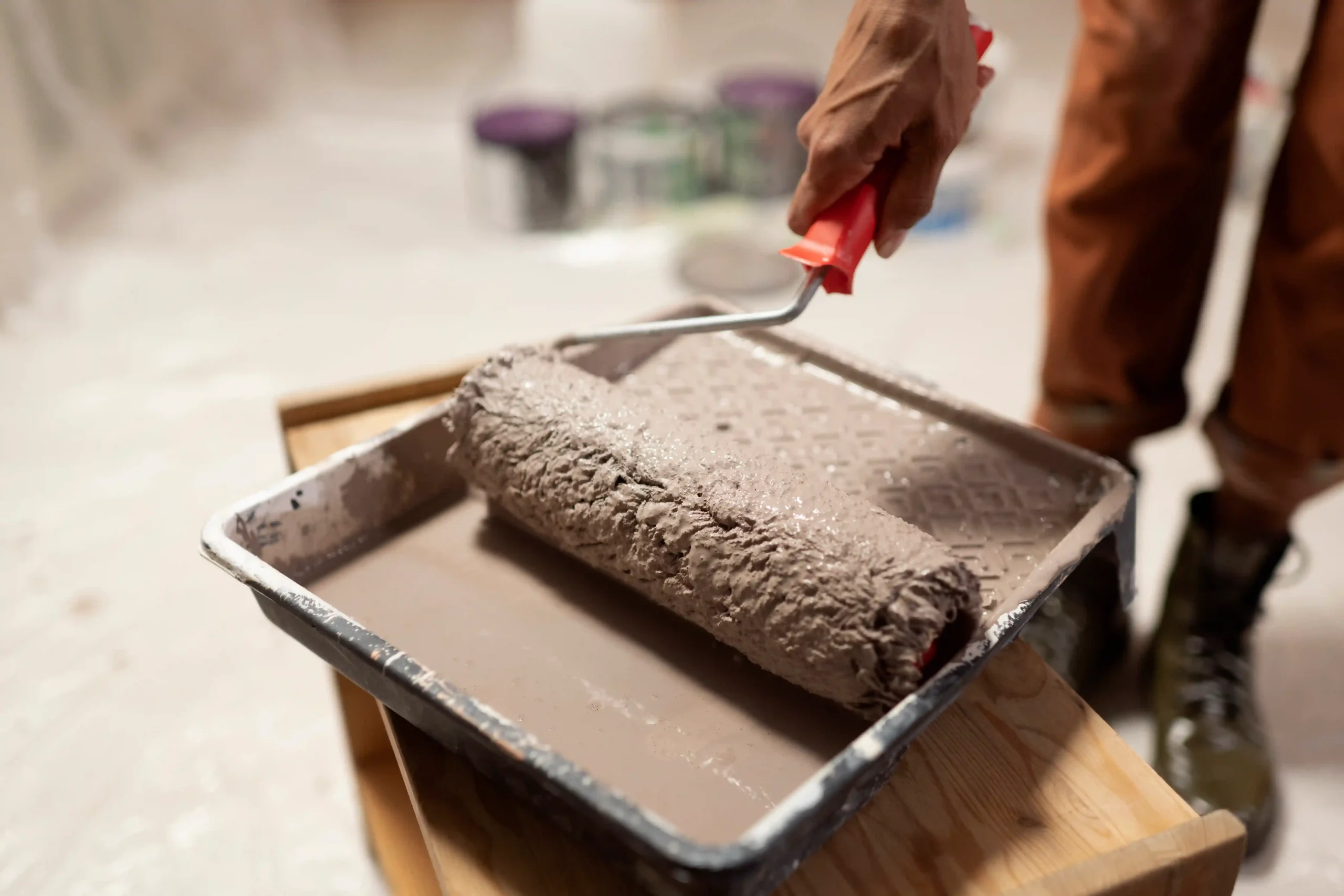
Step-by-Step: How to Plaster Over a Painted Wall
- Clean the wall thoroughly — remove dust, grease, and any surface contaminants with a mild detergent and water, then allow the wall to dry completely.
- Inspect for loose or flaking paint — scrape away any areas where paint is lifting, and sand glossy areas to create a key.
- Repair any cracks or holes — fill with an appropriate filler and allow it to dry before proceeding.
- Apply a PVA bonding coat — following the mixing and application guidance above.
- Apply the plaster — mix to a smooth, lump-free consistency and apply evenly from the bottom of the wall upwards, working in manageable sections.
- Smooth and finish — once applied, use a clean trowel or damp sponge to remove imperfections and achieve a polished, professional finish. Our guide on plastering precision and technique covers this final stage in more detail.
Common Mistakes That Cause Plaster to Peel or Crack Over Paint
- Skipping the PVA bonding coat — the single most common cause of plaster failure over paint.
- Plastering directly over flaking or blistering paint — the plaster will only be as stable as the paint layer beneath it.
- Ignoring gloss paint — applying plaster straight over unsanded gloss paint almost always results in poor adhesion.
- Using the wrong plaster mix — a mix that’s too wet won’t key properly; too thick and it becomes difficult to bond evenly.
- Rushing the drying time between PVA and plastering — applying plaster before the PVA is tacky, or long after it has fully dried, both reduce bonding effectiveness.
When You Should Strip the Paint Instead
In some cases, plastering over paint isn’t the right approach, and stripping the paint back to bare wall is the safer option. This is generally recommended when:
- The paintwork is heavily flaking, blistering, or peeling across a large area.
- There are multiple old layers of paint built up over the years, which can behave unpredictably even with proper preparation.
- You suspect the wall may have older paint types such as distemper or lead-based paint — particularly relevant in period properties. If you have concerns about lead paint, this should be assessed and removed by a qualified professional before any further work.
If you’re unsure which approach is right for your walls, it’s always worth having a professional plasterer assess the property in person rather than guessing — the cost of correcting failed plaster work is almost always higher than getting it right the first time.

Cost Considerations
Plastering over an already-painted wall (once properly prepared) generally costs the same as plastering any standard interior wall, since the PVA bonding stage adds minimal time to the job. However, if the paint needs to be stripped back first — particularly across multiple layers or a large area — this adds both time and cost to the project. Always get a clear quote that specifies whether paint preparation or removal is included.
FAQs About Plastering Over Paint
Does plaster stick to paint? Plaster does not bond as well to painted surfaces as it does to bare brick, block, or plasterboard, since paint creates a smooth, sealed surface. With a PVA bonding coat and proper preparation, however, plaster can be applied successfully over most sound paintwork.
Can you plaster over emulsion paint? Yes. Emulsion paint is generally the easiest paint type to plaster over, as it’s more porous than gloss and accepts a PVA bonding coat well.
Can you plaster over gloss paint? It’s more difficult, but possible. Gloss paint needs to be sanded to create a key before applying a PVA bonding coat, otherwise plaster is likely to fail to adhere properly.
Do you need to PVA a painted wall before plastering? Yes, in almost all cases. PVA acts as the bonding bridge between the sealed painted surface and the new plaster, and skipping this step is one of the most common causes of plaster failure over paint.
Can you plaster over painted plasterboard? Yes, provided the plasterboard’s paper facing is undamaged and a PVA bonding coat is applied first. If the paper surface has been damaged by scraping or sanding, additional care or a bonding-specific plaster may be needed.
How long after plastering over paint can I decorate? As with any freshly plastered wall, you should wait until the plaster is fully dry — typically 5-7 days for a standard skim coat — before painting. Our guide on painting new plaster explains the mist coat process and correct timings in full.
Conclusion
Plastering over paint is a common and perfectly achievable part of most renovation projects, but only when the paintwork is sound and properly prepared with a PVA bonding coat. Skipping preparation — or plastering over flaking, glossy, or old distemper-based paint — is the leading cause of plaster failure in these situations.
If you’re dealing with other tricky surfaces beyond paint — such as wood, wallpaper, expanding foam, tiles, or cement board — see our companion guide: Plastering Possibilities: What Can You Cover?
Ready to get your walls plastered properly? Contact Surrey Plastering & Rendering Company for expert advice and a free quote.