
Not every wall is a blank canvas of bare brick or fresh plasterboard. Many renovation projects involve plastering over painted surfaces, wood, expanding foam, cement board, tiles, or old wallpaper — and each of these surfaces needs a different approach to get a lasting, professional finish. In this guide, we break down exactly what you can plaster over, what preparation is needed for each surface, and where plastering isn’t the right solution.
Not sure if your surface can be plastered over? Get in touch with our team for expert advice, or explore our plastering services in Cobham.

Can You Plaster Over Paint?
Yes, in most cases — but painted surfaces need specific preparation, usually a PVA bonding coat, and the outcome depends heavily on the type and condition of the paint. Since this is a detailed topic in its own right, we’ve covered it in full in our dedicated guide: Can You Plaster Over Paint? Yes – Here’s How to Do It.
Can You Plaster Over Expanding Foam?
Expanding foam is commonly used for insulation and filling gaps, and yes, it can be plastered over if done correctly. Expanding foam (also known as spray foam or foam filler) provides a smooth, even surface once cured, making it suitable for plastering under the right conditions.
Surface Preparation: Ensure the foam is fully cured and trimmed flush to the surrounding surface. Light sanding may be necessary to roughen the foam for better adhesion. A primer or bonding agent can further strengthen the bond between the foam and the plaster.
Applying Plaster to Foam: Use a lightweight plaster mix to avoid adding excessive weight to the foam, which could cause it to compress. Apply a thin first layer to ensure proper adhesion, then build up further layers as needed to achieve the desired finish.
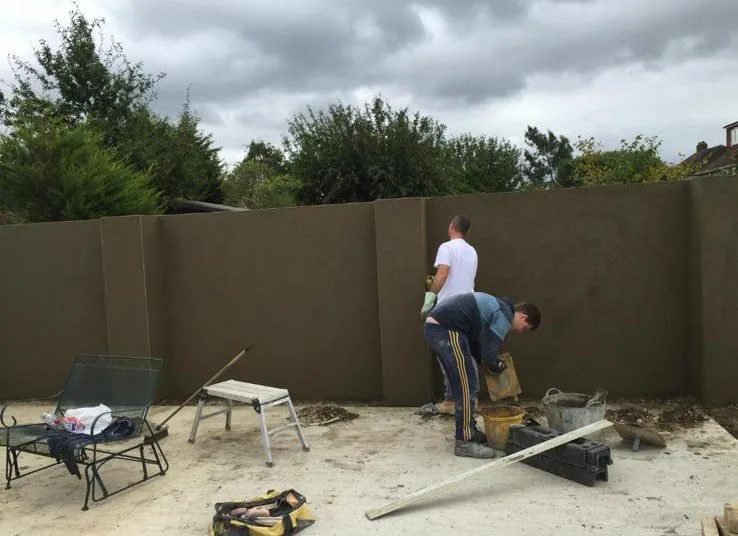
What About Rendering Over Expanding Foam? The same principle applies to exterior render systems — expanding foam used for external insulation (such as in EWI systems) can be rendered over once cured and properly keyed, using a base coat render designed for insulation boards.
Can You Plaster Over Wood?
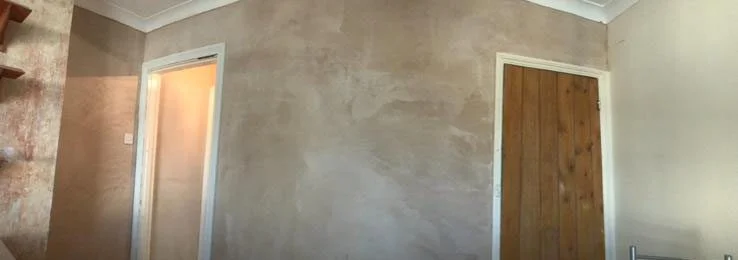
Plastering over wood can provide a unique aesthetic but poses genuine challenges due to wood’s natural properties. Unlike masonry or plasterboard, wood expands and contracts with changes in temperature and humidity — and if this movement isn’t accounted for, it will cause the plaster layer to crack, regardless of how well it was applied.
Why Wood Behaves Differently from Masonry: Brick, block, and plasterboard are relatively stable materials that don’t move significantly once installed. Wood, on the other hand, is a living material that continues to react to moisture in the air throughout its life. This is the single biggest reason plastering directly onto wood, plywood, or timber framing fails more often than plastering onto other surfaces.
Preparing Wood Surfaces: Start by ensuring the wood surface is clean, dry, and free from any existing finish such as varnish or paint that could prevent adhesion. Use a bonding agent specifically designed for wood surfaces to help the plaster adhere better. Applying a mesh or lath over the wood first provides a stable mechanical key and significantly reduces the risk of movement-related cracking.
Plastering Over Plywood: The same principles apply to plywood, though its layered construction generally provides a slightly more stable base than solid timber. A bonding agent and mesh key are still strongly recommended.
Achieving a Durable Finish: For the best results, use a plaster mix designed for flexibility, which will accommodate the natural movement of wood without compromising the plaster’s integrity. Applying multiple thin layers, rather than one thick layer, also helps reduce the risk of cracking over time.
If you’re dealing with wood panelling or timber surfaces that aren’t ideal for plastering, our guide to alternatives to full plastering covers other finishing options that may suit the surface better.
Can You Plaster Over Cement Board?
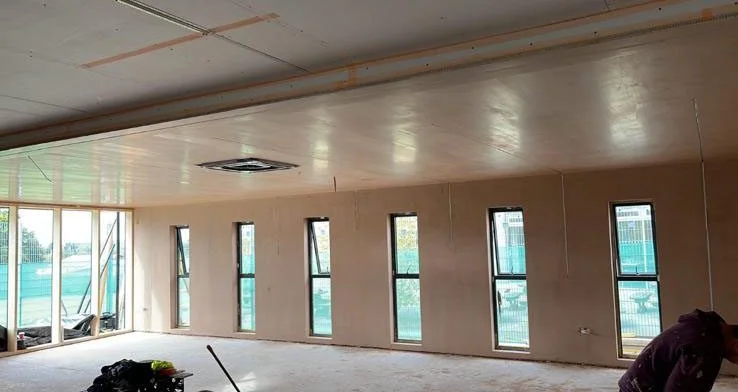
Cement board is a popular substrate for plaster due to its durability and stability. It’s commonly used in areas exposed to moisture, such as bathrooms and kitchens, making it a reliable candidate for plastering.
Preparing Cement Board: Ensure the board is installed correctly, with all joints taped and filled using a suitable jointing compound. A skim coat of thin-set mortar or a bonding agent can provide an excellent base for plaster application, smoothing out any imperfections at the joints before the main plaster coat goes on.
Applying the Finishing Touches: Once the base is prepared, apply the plaster in thin layers, allowing each to set before adding the next. This ensures a strong bond and reduces the risk of cracking, and allows the cement board to support a variety of plaster finishes.
Fibre Cement Board: The same approach applies to fibre cement board, a common variant used in modern construction — it accepts plaster well once joints are properly taped and a bonding coat has been applied.
Can You Plaster Over Plasterboard?
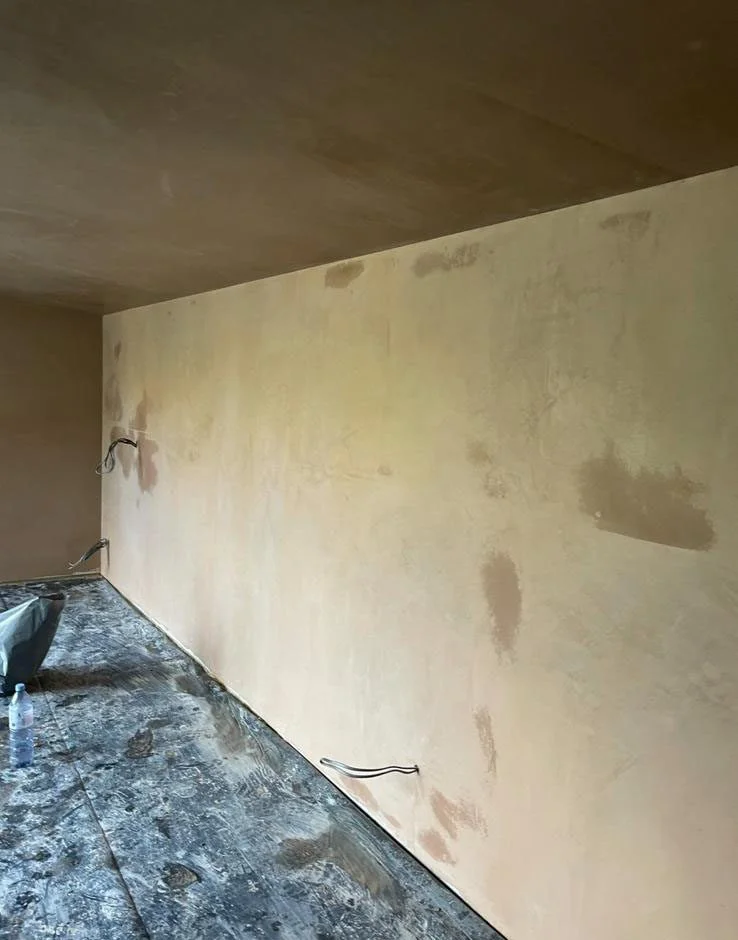
Yes — in fact, this is one of the most common applications for plaster. New plasterboard is typically finished with a thin skim coat of plaster to create a smooth, paint-ready surface, since plasterboard alone has a slightly textured paper finish that isn’t ideal for direct decoration.
Do you need to plaster over plasterboard? Not always. Some builders opt for a “tape and joint” finish instead of a full skim, particularly on budget or rental projects, which involves filling and taping the joints between boards rather than applying a full plaster coat across the entire surface. However, a full skim coat gives a noticeably smoother, more durable, and higher-quality finish, which is why it remains the standard in most UK homes. Once skimmed, you’ll need to follow the correct drying and mist-coating process before painting — our guide on painting new plaster covers this in detail.

Can You Plaster Over Tiles?
Plastering over tiles can transform a space without the hassle of tile removal, but it requires careful preparation. Tiles are typically smooth and non-porous, meaning plaster won’t naturally adhere without help.
Preparing Tiled Surfaces: Start by cleaning the tiles thoroughly to remove any residues. Roughen the tile surface with sandpaper or a grinder to create a texture the plaster can grip, then apply a bonding agent to further improve adhesion.
Techniques for Plastering Over Tiles: Apply a base coat of plaster designed for use over non-porous surfaces. Once set, apply additional layers as needed to achieve a smooth finish, keeping in mind that overall thickness should be kept reasonable to prevent the plaster detaching under its own weight over time.

Can You Plaster Over Wallpaper?
Plastering over wallpaper might seem like an easy shortcut, but it comes with real risk. The main issue is the integrity of the wallpaper itself — if it’s peeling or damaged, it won’t support a plaster layer well.
Risks and Considerations: The risk of plastering over wallpaper includes the potential for bubbles, cracks, and uneven finishes. Moisture from the plaster can loosen the wallpaper adhesive, causing it to peel away from the wall as the plaster cures.
When Removal Isn’t an Option: If removing the wallpaper isn’t feasible, ensure it’s firmly attached to the wall. Apply a primer or PVA solution to seal it, and consider a thin test area first to check adhesion before committing to the full wall.
How to Choose the Right Approach for Your Surface
Whichever surface you’re working with, the right outcome usually comes down to selecting the correct plaster for the job — whether that’s a bonding coat, a hardwall backing coat for masonry-based substrates, or a specific finish plaster. Our guide to the different types of plaster covers this in more detail if you’re unsure which is right for your project.
| Surface | Needs Preparation? | Recommended Approach |
|---|---|---|
| Painted wall (sound paint) | Yes — PVA bonding coat | Plaster directly after prep |
| Expanding foam | Yes — trim, sand, prime | Lightweight plaster, thin layers |
| Wood / plywood | Yes — bonding agent + mesh key | Flexible plaster mix, thin layers |
| Cement board | Yes — tape joints, bonding coat | Standard plaster, thin layers |
| Plasterboard (new) | Optional — skim vs tape & joint | Full skim coat recommended |
| Tiles | Yes — roughen surface, bonding agent | Non-porous surface plaster |
| Wallpaper | Not recommended without testing | Consider removal first |
If you’re unsure which approach suits your specific wall, our team can assess the surface in person and recommend the best method. Get a free quote today.
FAQs About What You Can Plaster Over
Does plaster stick to expanding foam? Yes, once the foam is fully cured, trimmed, and lightly sanded, plaster will adhere well — particularly with a primer or bonding agent applied first.
Can you plaster over plywood? Yes, though a bonding agent and mesh key are recommended, since plywood can move slightly with humidity changes and needs extra support to prevent the plaster from cracking.
Do you need to plaster over plasterboard? Not always — a tape and joint finish is an alternative to a full skim coat, though skimming gives a smoother, more durable result and is the standard approach in most UK homes.
Can you plaster over cement board without skimming the joints first? No — joints should always be taped and filled before plastering, otherwise the joint lines will show through the finished plaster and create weak points prone to cracking.
Can you plaster over old tiles instead of removing them? Yes, provided the tiles are roughened and a bonding agent is applied first. This can save time and cost compared to full tile removal, though it does add some thickness to the wall.
Conclusion
Plastering over paint, expanding foam, wood, cement board, plasterboard, tiles, or wallpaper is possible in most cases — but each surface requires its own specific preparation to avoid cracking, peeling, or poor adhesion further down the line. Understanding these differences before starting a project can save significant time, cost, and frustration.
If you’re specifically dealing with a painted wall, our companion guide — Can You Plaster Over Paint? Yes – Here’s How to Do It — covers that process in full detail. And if plastering isn’t the right fit for your walls at all, see our guide to alternatives to full plastering.
Ready to get expert advice on your specific surface? Contact Surrey Plastering & Rendering Company today for a free consultation, or take a look at our full range of plastering services.