
☰
Plastering in Weybridge is something we carry out week in, week out — and over the years we have noticed that most homeowners come to us with the same questions before picking up the phone. How much will it cost? Do I need a full replaster or just a skim? Why does my plaster keep cracking?
This page answers all of those questions honestly — based on real experience working across Weybridge, Oatlands, St George's Hill and the KT13 area.
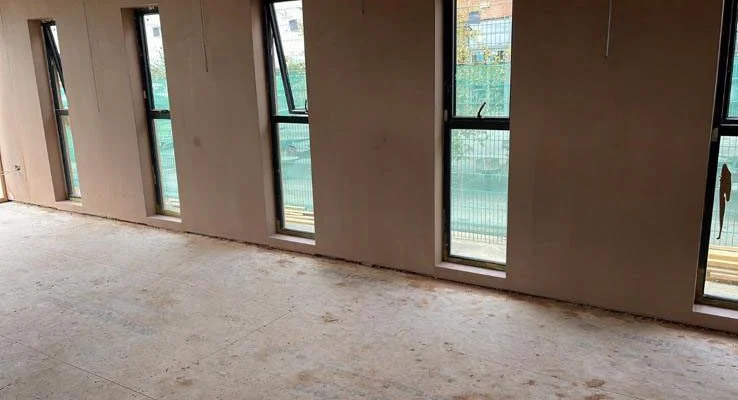
Weybridge has a wide mix of housing stock — and each property type tends to have its own plastering challenges. Understanding which category your home falls into helps us give you an accurate quote and avoids paying for more work than you actually need.
These often have original lime plaster — softer and more flexible than modern gypsum. Cracks around chimney breasts and bay windows are common. In most cases a bonding coat and skim resolves the issue. If moisture has got in behind the plaster and it has blown from the wall, a full replaster is the right call.
Typically finished in gypsum plaster or sand and cement. These age well but after 60–80 years plaster can become hollow — you will hear a dull thud when you tap it rather than a solid knock. At that point, a full replaster is the most cost-effective long-term solution rather than repeatedly patching.
Plasterboard systems with a thin skim coat. The most common issue is cracking along plasterboard joints as the building settles in its first two to three years. This is normal and does not indicate a structural problem — it just needs filling, taping and re-skimming.
We provide a full range of internal plastering services across Weybridge and the surrounding Surrey area. Every job — whether a single room or a whole house — is carried out by the same experienced team to the same standard.
Venetian plastering is a decorative technique that creates a smooth, highly polished finish with depth and sheen resembling marble or natural stone. Applied in multiple thin layers using a special trowel — with each layer burnished before the next is added — the result is a surface with subtle tonal variation, a near-mirror finish and a tactile quality painted walls simply cannot replicate.
Standard skim plastering creates a flat, matte surface ready for paint. Venetian plastering is a finish in itself — no paint needed. The technique uses a lime or gypsum-based plaster mixed with marble dust, giving it its distinctive translucent depth. The finish is both decorative and protective.
Venetian plaster works exceptionally well on feature walls, hallways, reception rooms and bathroom walls. We apply it frequently in the larger period and modern homes around St George's Hill and Oatlands where homeowners want a high-end interior finish without the cost of natural stone cladding.
Yes — properly applied Venetian plaster is extremely durable, moisture-resistant when sealed and easy to maintain. It does not chip or peel like paint, and minor surface marks can be polished out without repainting. For high-traffic areas like hallways, it is actually a more practical long-term choice than conventional plaster and paint.
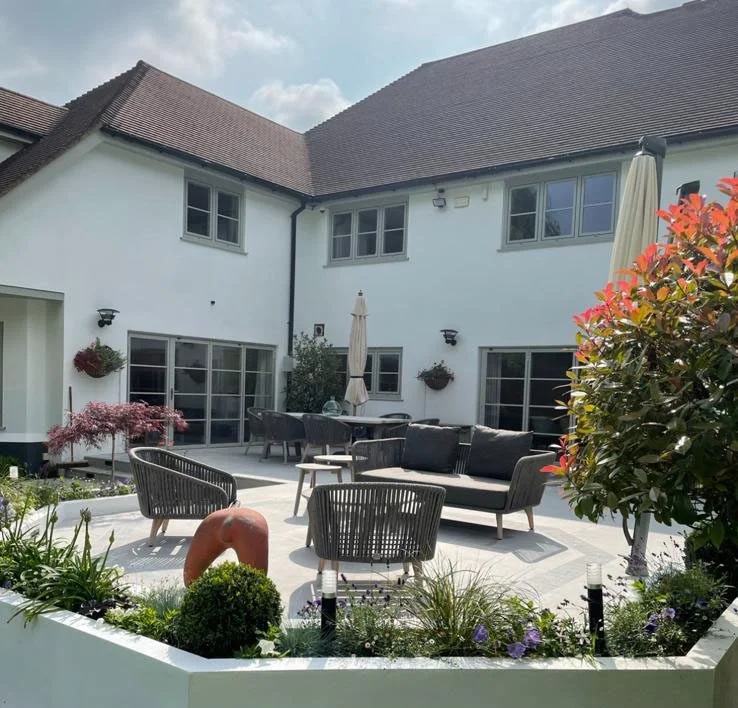
Exterior rendering in Weybridge serves two purposes: it protects your walls from moisture ingress, and it dramatically improves the appearance of your home. Weybridge properties — particularly the larger detached homes around St George's Hill and Oatlands — see high demand for premium render systems that both look the part and last.
The most common reason homeowners contact us about rendering in Weybridge is cracked or failing render that is allowing damp to track into the wall. Left unaddressed, this leads to internal damp patches, damaged plaster and eventually timber damage. A full re-render is far cheaper than dealing with the consequences of ignoring it.
Many homeowners wait too long before addressing render problems — often because the signs are easy to dismiss as cosmetic. Here are the specific indicators we look for when assessing a Weybridge property:
A map-like craze pattern across the surface (called alligatoring) indicates the render has dried out and lost flexibility. Once this starts, water enters the cracks in every rain shower and the damage accelerates every winter.
A hollow thud when you tap the render means it has separated from the substrate — called blown render. It is being held in place only by surface tension and will eventually fall away.
Damp appearing on internal walls near external surfaces — particularly after heavy rain — is a strong indicator of failing render. Water tracking through cracked or blown render is a direct path into your home's structure.
Persistent algae or mould streaks indicate moisture is being held in the render rather than running off. This usually means the render has lost its weather-resistant properties or the coating system has failed.
Paint that bubbles or peels consistently over rendered surfaces means moisture is moving through the render and breaking the bond. This is a render problem, not a painting problem — repainting will not fix it.
Once render begins to detach in sections, the window for repair has closed. A full re-render is the only sensible option at this stage — patching over failing substrate is a waste of money.
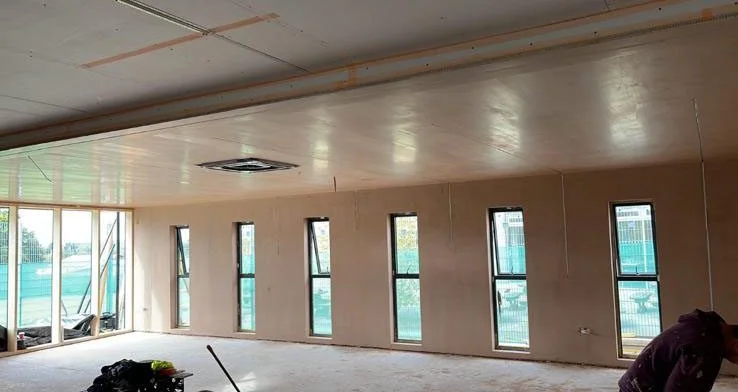
This is the question we get asked most. Here are realistic figures based on jobs we actually carry out in Weybridge and the surrounding KT13 area — not estimates based on national averages.
The single biggest factor affecting plastering cost is the condition of what is already there. If existing plaster is sound and just needs a skim, costs are at the lower end. If old plaster needs hacking off and the wall needs re-preparing from scratch, costs are higher — but the result will last decades.
These figures include labour, materials and full site clean-up. Scaffolding for rendering is quoted separately based on access requirements. All figures reflect 2025/2026 Surrey market rates — we provide a free, itemised written quote for every job.
This is something we assess on every job. Here is a simple guide based on what we actually look for when we visit a Weybridge property.
In Weybridge's older properties, we frequently find that what looks like a cracking issue is actually a bonding failure beneath the surface — invisible until you tap the wall. Getting this assessed properly before skimming over the top saves homeowners significant money in the long run.
Understanding the materials involved helps you make better decisions and ask better questions when getting quotes. Here is what we use and why:
The industry-standard finish plaster for skimming over plasterboard and existing plaster. Sets to a hard, white surface ready for painting within 24–48 hours.
Used as a base coat on smooth or low-suction surfaces such as concrete, engineering brick and dense blockwork before the finish coat. Essential for adhesion on problematic substrates.
A lightweight backing coat used on brick and block walls before the finish skim. Provides a level base for the final coat on solid wall construction.
Galvanised or stainless steel trim profiles used at corners and junctions to create clean, precise edges. Essential for a professional finish — often skipped by lower-quality contractors.
Traditional render mix using sharp sand, cement and lime — mixed on site. Durable but less flexible than modern systems and more prone to cracking over time.
Factory-bagged, through-coloured render systems applied in one coat. Consistent mix, wide colour range and faster to apply than traditional systems.
Our most recommended system for Weybridge properties. Silicone-modified for flexibility and water repellency. Breathable, so moisture vapour can escape from the wall. Available in over 40 colours. Rated for 25+ years with no repainting required.
The plastering and rendering industry has shifted significantly in the past five years. Here is what we are seeing most in Weybridge and across Surrey:
Microcement — an ultra-thin cement-based coating applied in 2–3mm layers — is increasingly popular in Weybridge kitchens, bathrooms and feature walls. It can be applied over tiles and existing surfaces, creating a seamless industrial-style finish without a full renovation. Fully waterproof when sealed.
For years, white silicone render dominated. Increasingly, Weybridge homeowners are choosing warm greys, stone tones and anthracite for exterior renders. K-Rend's colour range has expanded significantly, and through-coloured systems mean no repainting is ever needed.
As interior design moves away from heavily painted feature walls, polished and Venetian plaster is having a genuine resurgence — particularly in larger homes across Weybridge, Esher and Oxshott. The finish holds up better than paint and adds genuine material character to a room.
For homeowners focused on energy efficiency, thermal render systems — which incorporate EPS insulation boards beneath the render — are growing in demand. These improve U-values, reduce heat loss and can significantly lower heating bills, particularly in older Weybridge homes with solid walls.
Choosing the wrong plasterer is expensive. Here is what genuinely matters when making your decision — not marketing talk, but the practical checks that protect you.
Any reputable plasterer will come to the property before giving a price. A quote given over the phone without seeing the existing walls is not a quote — it is a guess. Condition of existing plaster, substrate type and moisture all affect cost significantly.
A good contractor tells you whether you need a skim or a full replaster and explains the reason. If a contractor immediately recommends the most expensive option without properly examining the walls, be cautious.
Public liability insurance is essential. Ask for confirmation before work starts. We carry full public liability cover on every residential and commercial job in Weybridge.
Ask to see examples of completed work — photos or, better still, references from local jobs. We maintain a portfolio of completed projects you can browse before contacting us.
The quote should break down labour and materials separately and specify exactly what is included — prep, beading, making good, clean-up. Vague quotes lead to disputes about scope.
For larger commercial or development projects, working with a VAT-registered contractor matters for your own accounting and provides an additional layer of legitimacy.
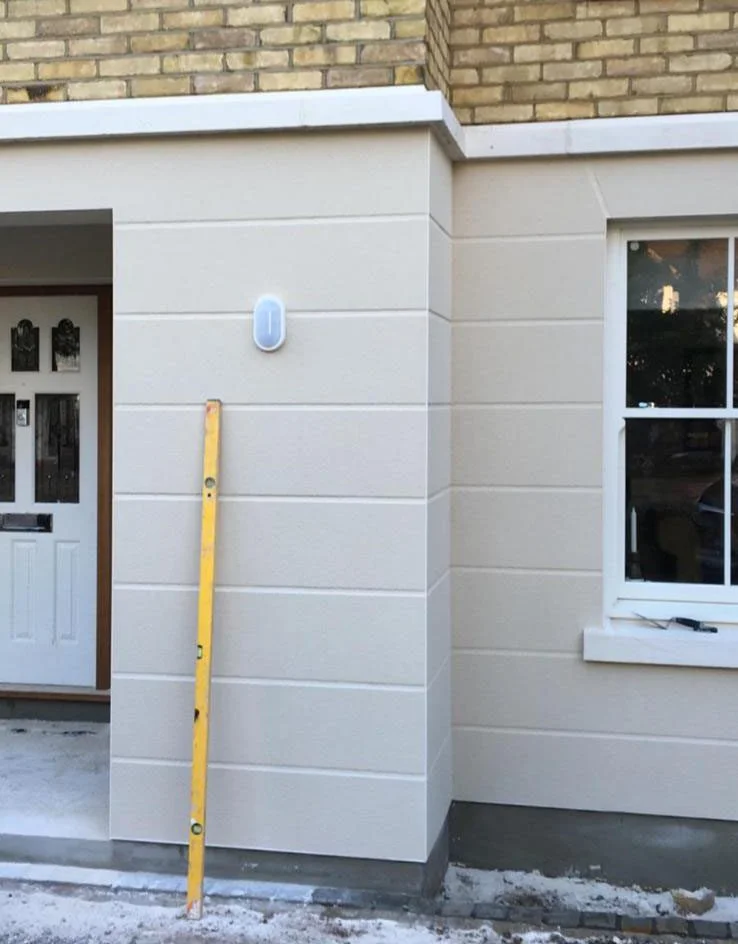
Hiring a local plasterer is not just about convenience — it makes a meaningful difference to the quality and outcome of the job.
We know that the older terraces near Weybridge town centre often have original lime-based plaster that reacts differently to modern gypsum products. We know that properties around Oatlands tend to have solid brick walls with high suction that need a bonding coat before skimming. This local knowledge prevents costly mistakes.
We are based in Cobham — literally minutes from Weybridge. When you call about a plastering emergency (a ceiling collapse, a water leak that has damaged walls) we can reach you the same day. A contractor based in London or further afield cannot offer that.
A local contractor has a reputation to protect in the immediate area. We rely on recommendations from Weybridge homeowners, so every job we do in the area either builds or damages our reputation directly. That is a meaningful incentive to get every job right.
Local contractors do not charge excessive travel time or fuel costs. Our quotes reflect the actual work involved, not the distance travelled to reach you.
Good plasterwork lasts for decades with minimal attention — but a few simple steps help it look its best for longer:
Fresh plaster needs to dry fully before any paint is applied. Painting too early traps moisture inside the plaster and leads to bubbling, peeling and cracking. Allow a minimum of 3–7 days for a skim coat, longer for full replaster work. We advise on the correct drying time for every job.
New plaster is highly absorbent. Applying standard emulsion directly to fresh plaster causes the paint to soak in unevenly and peel later. Always apply a mist coat first — one part standard emulsion diluted with one part water — to seal the surface before the top coat goes on.
Good airflow speeds up drying and prevents surface mould forming on fresh plaster. Open windows where possible and avoid turning the heating up high, as rapid drying can cause surface crazing.
Small cracks in the first year or two after plastering are usually the result of building settlement — entirely normal, especially in new builds. Fill them with fine surface filler and repaint. Cracks that return repeatedly in the same location should be assessed by a plasterer.
Standard gypsum plaster is not waterproof. In wet areas, ensure adequate ventilation to prevent moisture saturation of the plaster behind tiles or painted surfaces. If you are planning to tile a wet area, discuss the appropriate substrate with us before work starts.
We stand behind every job we complete in Weybridge. Here is what that means in practice:
We have built our reputation across Weybridge and Surrey on repeat business and word-of-mouth recommendations. That only happens when the work is right first time.
We are based in Cobham and work regularly across Weybridge and the wider Surrey area — covering plastering and rendering projects of all sizes across the region every week.
Based in Cobham, minutes from Weybridge — fast response times and same-day quotes where possible.
From Victorian originals to St George's Hill new builds — we know how each requires a different approach.
We tell you whether you need a skim or a full replaster — not what earns us the most. Our reputation depends on it.
All residential and commercial work covered with full public liability insurance.
Itemised quotes with no hidden extras — the price you are quoted is the price you pay.
Furniture protected, site completely clean after every job. View our completed projects to see the standard we deliver.
A single room skim typically takes one day to apply, then 3–7 days to dry fully before painting. A full house replaster on a three-bed semi usually takes 4–6 days on site. We give you a clear schedule and drying timeline after every job so you can plan around us.
The most common causes we see in Weybridge are building settlement (especially in newer builds in their first few years), thermal movement in older solid walls, failed bonding coat adhesion and moisture working behind the plaster. Each has a different fix — which is why a proper assessment matters before any work starts.
Not usually. We work room by room where possible to minimise disruption. Furniture is moved and protected throughout. The main consideration is the drying period — freshly plastered rooms need ventilation and should not be reoccupied with heavy furniture until fully dry.
We handle furniture protection and floor covering on every job. It helps to clear small items and personal belongings from the room beforehand. We will confirm exactly what preparation is needed when we visit for the quote — there are no surprises.
Yes — we regularly work across Esher, Cobham, Hersham and the wider KT area. Weybridge sits right in the middle of our main service patch. Contact us to confirm availability for your specific location.
Whether your walls need a quick repair or your home's exterior needs a complete transformation, we are ready to help. Free on-site assessments across Weybridge — no obligation, no pressure.