
If you’re planning to have your walls plastered, you’ll quickly discover that not all plaster is the same. Professional plasterers in the UK choose from a range of specific plaster types for walls — each suited to different surfaces, finishes, and building conditions. In this guide, we break down the types of plastering finishes and wall products a professional plasterer will actually use on your property, so you know exactly what to expect and what to ask for.
Looking for a trusted plasterer in Surrey? Get in touch with our team for expert advice, or explore our plastering services in Cobham.
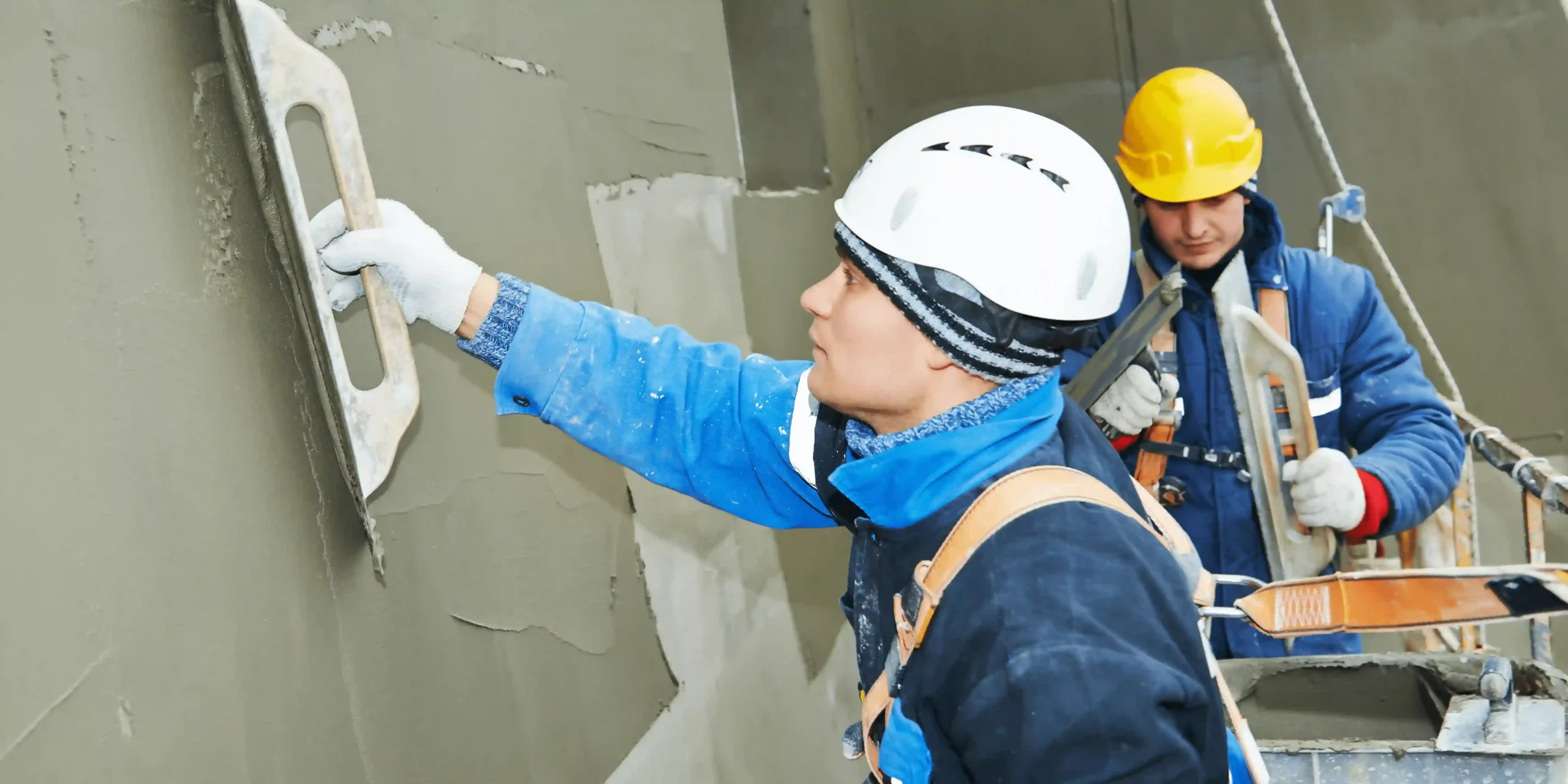
What Type of Plaster is Used for Walls?
When it comes to wall applications, the type of plaster you choose depends on the surface and the desired finish. The most common plaster types for walls include browning plaster, bonding plaster, and hardwall plaster. Each offers unique benefits, making them suitable for different scenarios.
Browning plaster is typically used as an undercoat for walls. It provides a solid base layer that helps ensure the final coat adheres properly. This type of plaster is ideal for use on absorbent surfaces such as brick and blockwork, where it can help regulate moisture.
Bonding plaster is another popular choice, especially when working with non-porous surfaces like concrete or engineering blocks. Its adhesive properties allow it to stick to surfaces that might otherwise resist traditional plasters, making it a crucial adhesive for many builders and DIY enthusiasts.
Hardwall plaster is known for its strength and durability. It is often used for walls that need a robust finish, commonly in high-traffic areas or places where the wall needs to withstand knocks and bumps, such as hallways and children’s rooms. For a full breakdown of this material, see our dedicated guide to hardwall plaster.
Common Types of Plaster Used on UK Walls
Understanding the different types of plaster available can greatly enhance your building and renovation projects. Let’s explore the most common varieties professional UK plasterers use on walls.
Browning Plaster
Browning plaster is an undercoat plaster used to prepare walls for the application of a finishing plaster. It’s made from a mixture of gypsum and sand, providing a solid base for further decorating efforts.
One of the main advantages of browning plaster is its ability to regulate moisture. By managing humidity levels in a room, it helps prevent dampness and mould, which can cause significant damage to older properties or areas prone to moisture issues.
In addition to its moisture-regulating properties, browning plaster is relatively easy to apply, even for those newer to plastering. It can be layered to achieve the desired thickness, allowing plasterers to tailor the application to specific needs and preferences.

Bonding Plaster
Bonding plaster is a versatile material designed to adhere to a wide range of surfaces, including concrete and plasterboard. Its formulation ensures a strong bond, making it ideal for tricky applications where other plasters might struggle to stick.
This type of plaster is often used as a base layer in multi-coat plaster systems, providing the initial adhesion necessary for a lasting finish. Its lightweight nature also makes it easier to work with, reducing the physical effort required during application and smoothing.
One of bonding plaster’s key benefits is its quick setting time, enabling faster project completion and reducing downtime. This can be particularly advantageous in commercial settings or when working against tight deadlines. If you’re dealing with damaged or uneven walls before plastering, our guide on alternatives to full plastering covers other options for wall preparation.
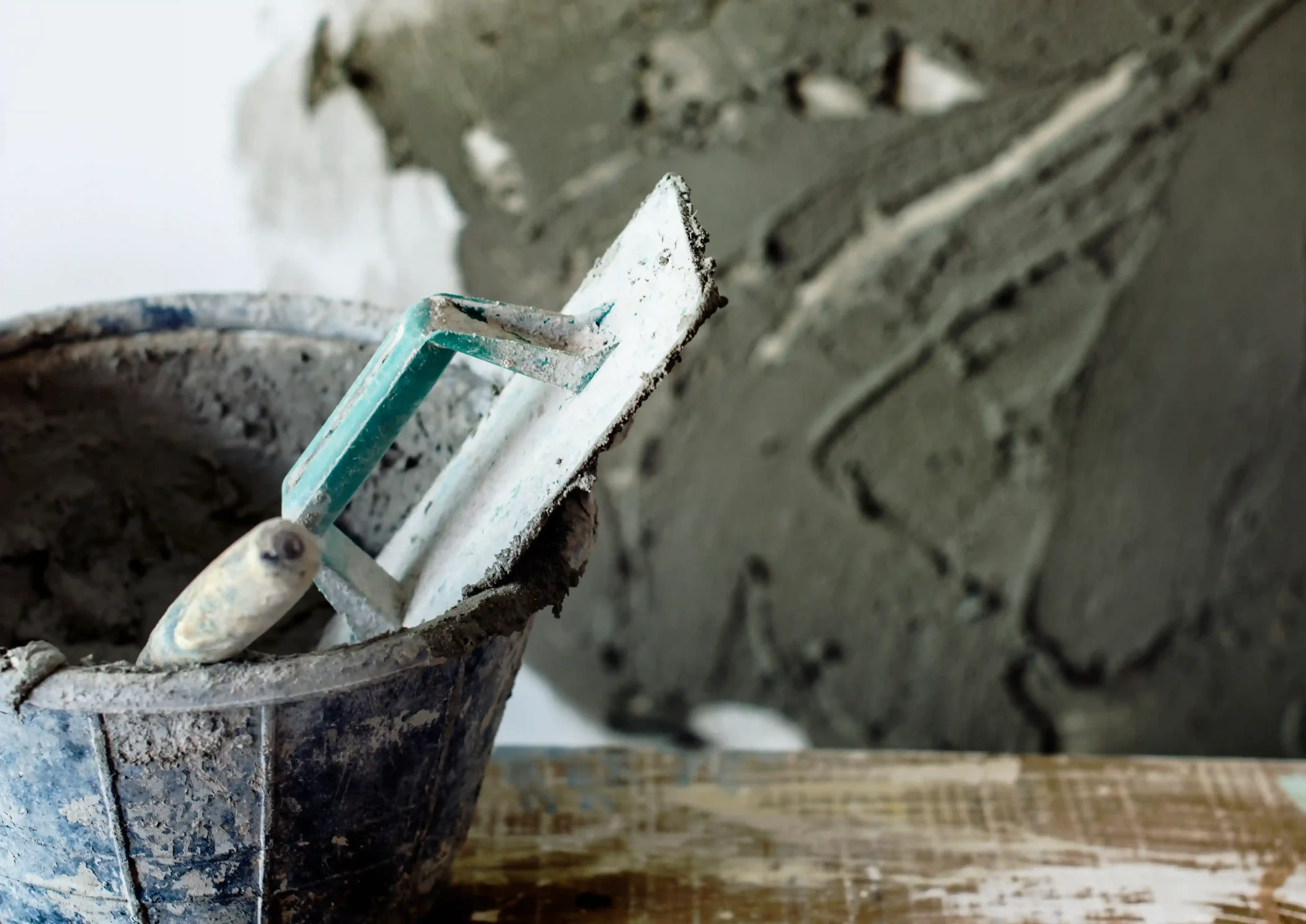
Hardwall Plaster
Hardwall plaster is prized for its strength and durability. Made from gypsum and aggregate, it creates a robust surface capable of withstanding heavy wear and tear, making it ideal for high-traffic areas or properties needing impact resistance.
Its layer-by-layer application allows flexibility in thickness depending on project requirements, and it’s also resistant to fire and moisture, providing added safety and protection for homes and businesses.
For a complete breakdown of hardwall plaster’s technical composition, application process, costs, and when to use it over other options, read our full guide: Hardwall Plaster — The Complete Guide to Uses, Application & Costs.
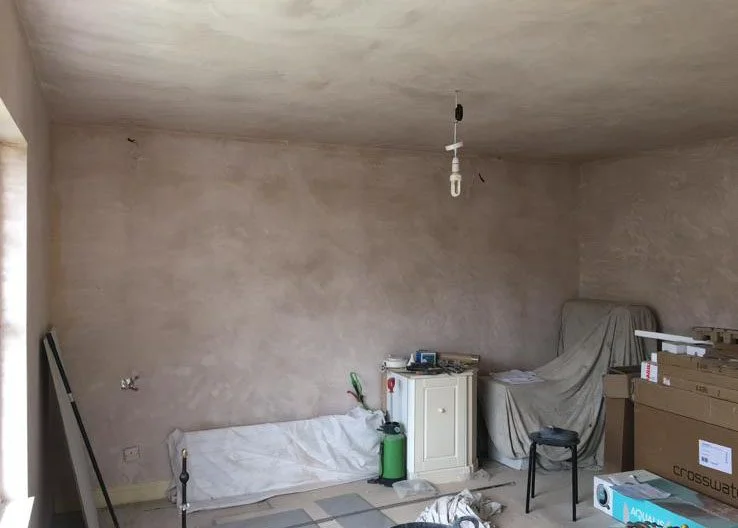
Tough Coat Plaster
Tough coat plaster is a specialised product designed to provide extra durability and resistance in high-traffic areas. It’s commonly used in commercial spaces, schools, and hospitals where walls are subject to frequent impacts and scuffs.
This plaster type offers superior scratch resistance, making it ideal for environments where walls are likely to be bumped or knocked. Its resilience also means it requires less maintenance over time, helping to keep repair costs down in busy settings.
Tough coat plaster can be applied in both thick and thin layers, allowing for flexibility depending on the specific needs of a project. It can also be combined with other types of plaster to achieve a desired aesthetic while maintaining practical performance.
Thistle Plaster
Thistle plaster is a well-known British Gypsum brand, offering a range of solutions for different applications. These include undercoat and finishing plasters, each carefully formulated to deliver optimal performance.
One of the standout features of Thistle plaster is its ease of use. Whether you’re a seasoned professional or a DIY enthusiast, you’ll appreciate its smooth application and consistent results. The plasters are also designed to work seamlessly with other British Gypsum products, ensuring compatibility across their range.
In addition to its user-friendly nature, Thistle plaster is recognised for its high-quality finish. It provides a smooth, even surface that’s ready for painting or papering, helping you achieve a polished look without extensive sanding or preparation.
Carlite Plaster
Carlite plaster is another brand produced by British Gypsum, known for its lightweight properties and ease of application. It’s designed to be used as a finishing plaster, providing a smooth, polished surface suitable for a variety of decorative finishes.
One of Carlite plaster’s key advantages is its quick drying time. This enables faster project completion, allowing you to move on to the next stages of your renovation or construction project. Its lightweight nature also makes it easier to handle, reducing fatigue during application.
In addition to its practical benefits, Carlite plaster offers excellent coverage, helping you achieve a professional finish with minimal effort. Its versatility and ease of use make it a popular choice among builders and homeowners alike.
One Coat Plaster
One coat plaster is a convenient, all-in-one solution for those looking to save time and effort during their plastering projects. As the name suggests, this type of plaster is designed to be applied in a single layer, eliminating the need for multiple coats.
This plaster is particularly useful for smaller projects or when working on tight deadlines, as it reduces the time and labour required for application. Despite being applied in a single coat, it still delivers a high-quality finish, with excellent adhesion and durability.
In addition to its time-saving benefits, one coat plaster is easy to apply, making it suitable for both professional contractors and DIY enthusiasts. Its versatility and efficiency make it a valuable addition to any plasterer’s toolkit.
Dri-Coat Plaster
Dri-coat plaster is a specialised product designed to be used in areas affected by dampness or high humidity. It’s formulated to resist moisture ingress, helping to protect walls from the damaging effects of water and mould.
This type of plaster is often used in basements, bathrooms, and other areas where moisture problems are common. Its ability to regulate humidity levels makes it an essential solution for maintaining the integrity of walls in challenging environments.
In addition to its moisture-resistant properties, dri-coat plaster offers excellent adhesion and a smooth finish, ensuring a professional result every time. Its robust formulation provides long-lasting protection, helping to keep your walls in top condition for years to come.
Types of Plastering Finishes for Walls
Beyond choosing the right plaster material, the finish applied to your walls plays a major role in the final look and feel of a room. Here are the main types of plastering finishes used on UK walls today.
Smooth (Skim) Finish — The most common finish for internal walls, a skim coat creates a flawless, paint-ready surface. This is the standard finish for the vast majority of new builds, renovations, and re-plastered rooms.
Textured Finish — Achieved using specific trowel or float techniques, a textured finish can add visual interest to a wall or help disguise minor imperfections in older properties.
Renovating Old or Damaged Plaster Walls — Older properties often have plaster walls affected by cracking, damp, or crumbling patches. In these cases, a plasterer will typically hack off the damaged areas and re-plaster using an appropriate undercoat (such as browning or bonding) before applying a finishing coat.
Internal vs External Wall Plastering — Internal wall plastering focuses on smooth, decorative finishes ready for paint or wallpaper, while external wall plastering (often called rendering) needs to be weatherproof and durable. If you’re specifically looking at exterior options such as K-Rend or acrylic render systems, see our guide to rendering services in Cobham or our comprehensive guide to K-Rend.
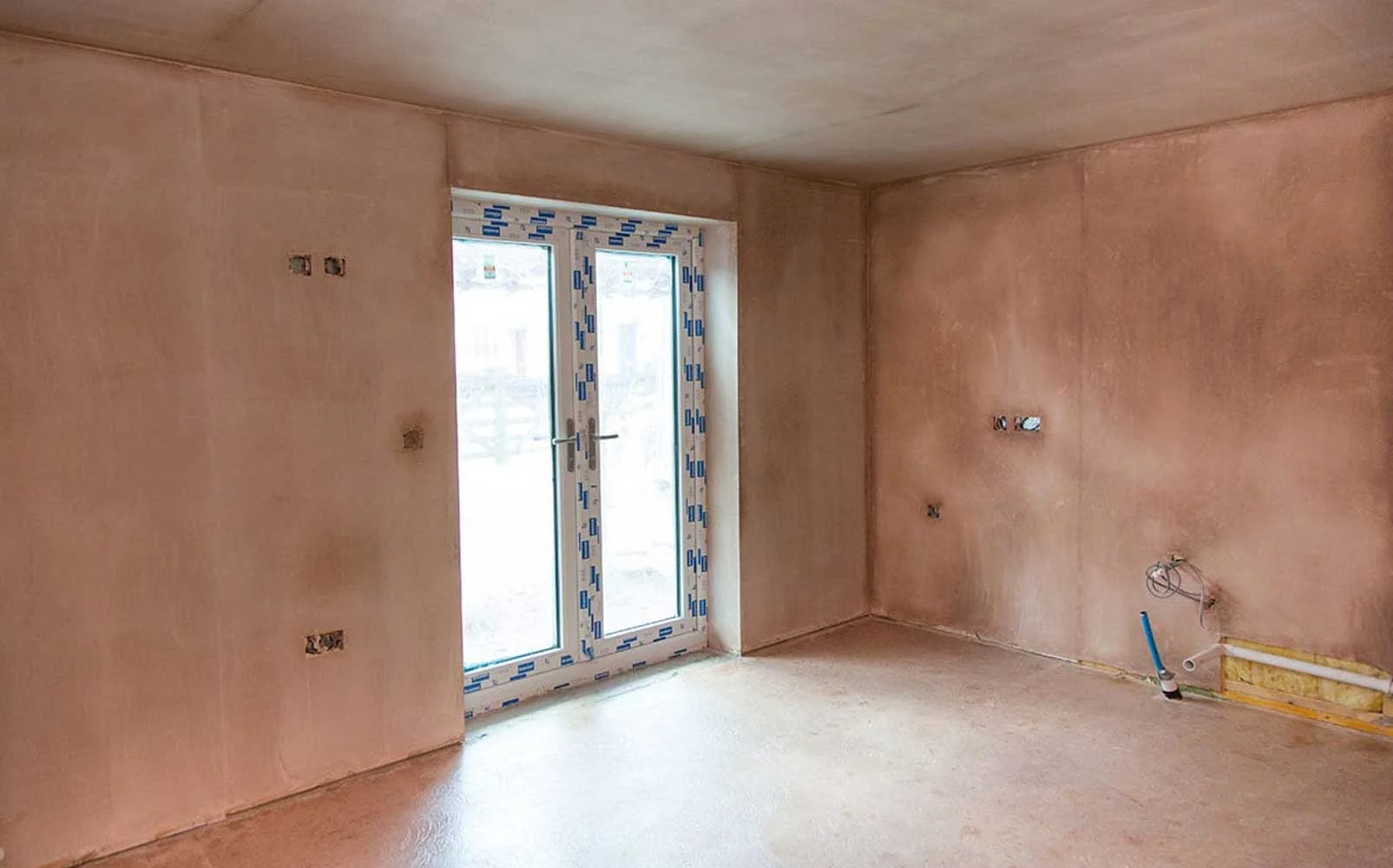
Hardwall Plaster vs. Bonding Plaster
When choosing between hardwall plaster and bonding plaster, it’s important to consider the specific needs of your project. Both offer unique benefits, making them suitable for different applications.
Hardwall plaster is known for its strength and durability, making it ideal for areas of a property that experience frequent use or require impact resistance. Its robust formulation provides a long-lasting finish that can withstand heavy wear and tear.
Bonding plaster, on the other hand, is designed to adhere to a wide range of surfaces, making it a versatile choice for challenging applications. Its lightweight nature and quick setting time make it a convenient option for projects with tight deadlines.
Ultimately, the choice between hardwall and bonding plaster will depend on the specific requirements of your project — surface type, location, and the finish you want to achieve. Consider these factors carefully, or speak to one of our plasterers directly for tailored advice.
How to Choose the Right Plaster Type for Your Walls
When selecting a plaster type for your walls, consider the following:
- Surface type — Absorbent surfaces like brick benefit from browning plaster, while non-porous surfaces like concrete need bonding plaster.
- Wear and impact — High-traffic areas or properties needing extra durability should use hardwall or tough coat plaster.
- Moisture exposure — Damp-prone areas such as basements and bathrooms need dri-coat plaster.
- Project timeline — For smaller jobs or tight deadlines, one coat plaster offers a faster, simpler application.
- Desired finish — For a smooth, professional finish ready for decoration, Thistle or Carlite finishing plasters are the standard choice.
If you’re unsure which plaster type is right for your walls, our team can assess your property and recommend the best option. Get a free quote or browse examples of our completed work on our projects page.
FAQs About Types of Plaster for Walls
What type of plaster is used for walls? The most common plaster types used on UK walls are browning plaster (undercoat), bonding plaster (adhesive base coat), and hardwall plaster (durable finish), followed by a finishing plaster such as Thistle or Carlite for a smooth, paintable surface.
What is hard coat plaster? Hard coat plaster refers to durable, robust plaster types such as hardwall and tough coat plaster, which are designed to withstand impact and heavy wear, unlike softer finishing plasters used purely for decoration.
Is Carlite the same as hardwall plaster? No. Carlite is a lightweight finishing plaster used for the final smooth coat, while hardwall is a stronger undercoat plaster used earlier in the process for durability. They’re often used together in a multi-coat system, not as substitutes for one another.
Can old plaster walls be repaired instead of fully replastered? In many cases, yes. Small areas of cracked or damaged plaster can be patched using an appropriate undercoat and finishing plaster, though larger areas of damp or crumbling plaster usually require full replastering for a lasting result. See our guide on what you can plaster over for more detail.
Do internal and external walls use the same type of plaster? No. Internal walls use plasters like browning, bonding, hardwall, or finishing plasters, while external walls typically use render systems such as sand and cement render, acrylic render, or K-Rend, which are formulated to withstand weather exposure.
Conclusion
Understanding the different types of plaster available for walls in the UK — from browning and bonding to hardwall, tough coat, Thistle, Carlite, one coat, and dri-coat — can help you make an informed decision for your next building or renovation project. From browning plaster’s moisture-regulating properties to hardwall plaster’s durability, each type offers unique benefits suited to different applications and environments.
If you’re also interested in decorative or eco-friendly plaster options — such as lime plaster, Venetian plaster, or exterior K-Rend systems — check out our companion guide: Types of Plaster: Choosing the Right Plaster for Your Project.
If you’re looking to explore or need expert advice, contact our team today. We can provide valuable insights and recommendations to ensure the success of your plastering project across Cobham and the surrounding Surrey towns.